Tokenless

Machine Learning

View All
Post-training best-in-class models in 2025

Post-training best-in-class models in 2025

An expert overview of post-training techniques for language models, covering the entire workflow from data generation and curation to advanced algorithms like Supervised Fine-Tuning (SFT), Direct Preference Optimization (DPO), and Reinforcement Learning (RL), along with practical advice on evaluation and iteration.
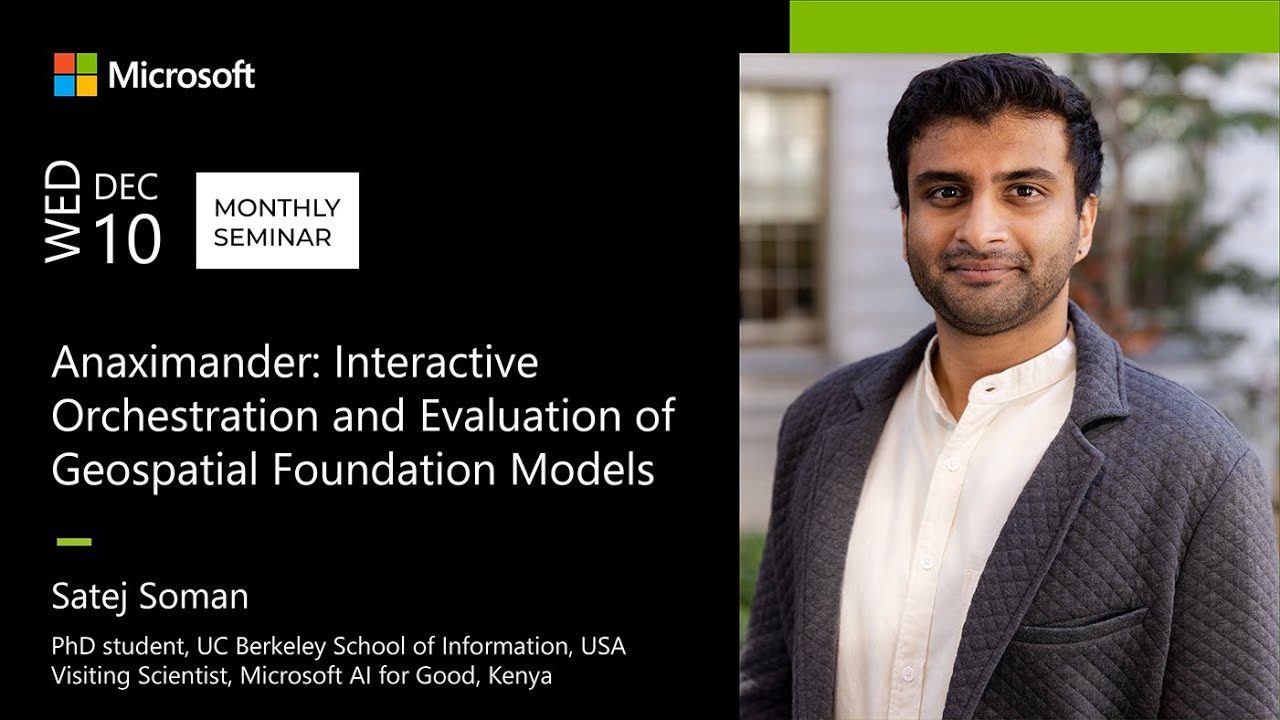
Anaximander: Interactive Orchestration and Evaluation of Geospatial Foundation Models

Anaximander: Interactive Orchestration and Evaluation of Geospatial Foundation Models

This talk introduces Anaximander, a system designed to bridge the gap between traditional, GUI-driven Geographic Information System (GIS) workflows and modern, code-heavy machine learning practices. Anaximander integrates geospatial foundation models directly into QGIS, allowing experts to interactively orchestrate, run, and evaluate models for tasks like semantic segmentation and object detection on satellite imagery.

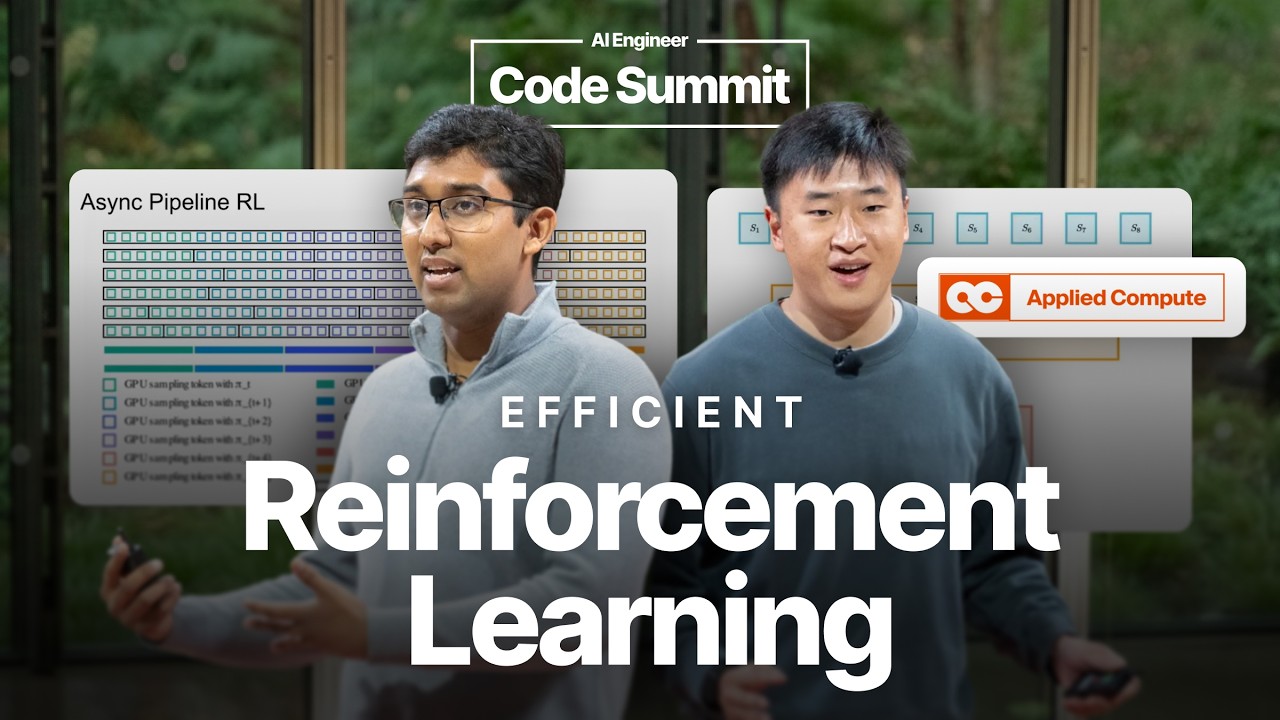
Efficient Reinforcement Learning – Rhythm Garg & Linden Li, Applied Compute

Efficient Reinforcement Learning – Rhythm Garg & Linden Li, Applied Compute

At Applied Compute, efficient Reinforcement Learning is critical for delivering business value. This talk explores the transition from inefficient synchronous RL to a high-throughput asynchronous 'Pipeline RL' system. The core challenge is managing 'staleness'—a side effect of in-flight weight updates that can destabilize training. The speakers detail their first-principles systems model, based on the Roofline model, used to simulate and find the optimal allocation of GPU resources between sampling and training, balancing throughput with algorithmic stability and achieving significant speedups.

Artificial Intelligence

View All
Graph Neural Networks Just Solved Enterprise AI?

Graph Neural Networks Just Solved Enterprise AI?

Jure Leskovec introduces Relational Foundation Models (RFMs), a new class of models based on graph neural networks that learn directly from raw, multi-table enterprise data. This approach bypasses manual feature engineering, leading to more accurate, faster-to-deploy, and easier-to-maintain predictive models for tasks like churn prediction, fraud detection, and recommendation systems.

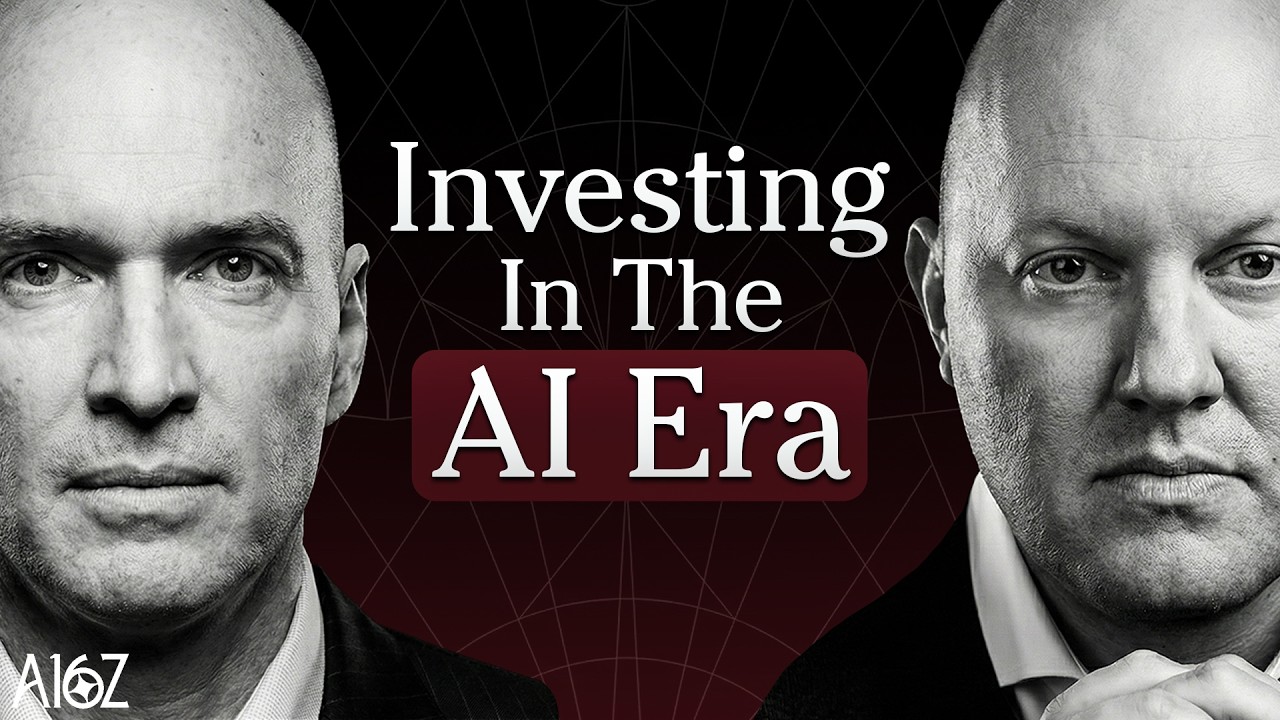
Ben & Marc: Why Everything Is About to Get 10x Bigger

Ben & Marc: Why Everything Is About to Get 10x Bigger

a16z co-founders Marc Andreessen and Ben Horowitz discuss the shift to a decentralized media ecosystem, their investment thesis on supply-driven markets, and the transformative impact of AI. They detail the a16z model of leveraging reputation as a core asset to turn inventors into CEOs and explain why AI represents a fundamental reinvention of computing that will unlock unprecedented growth.

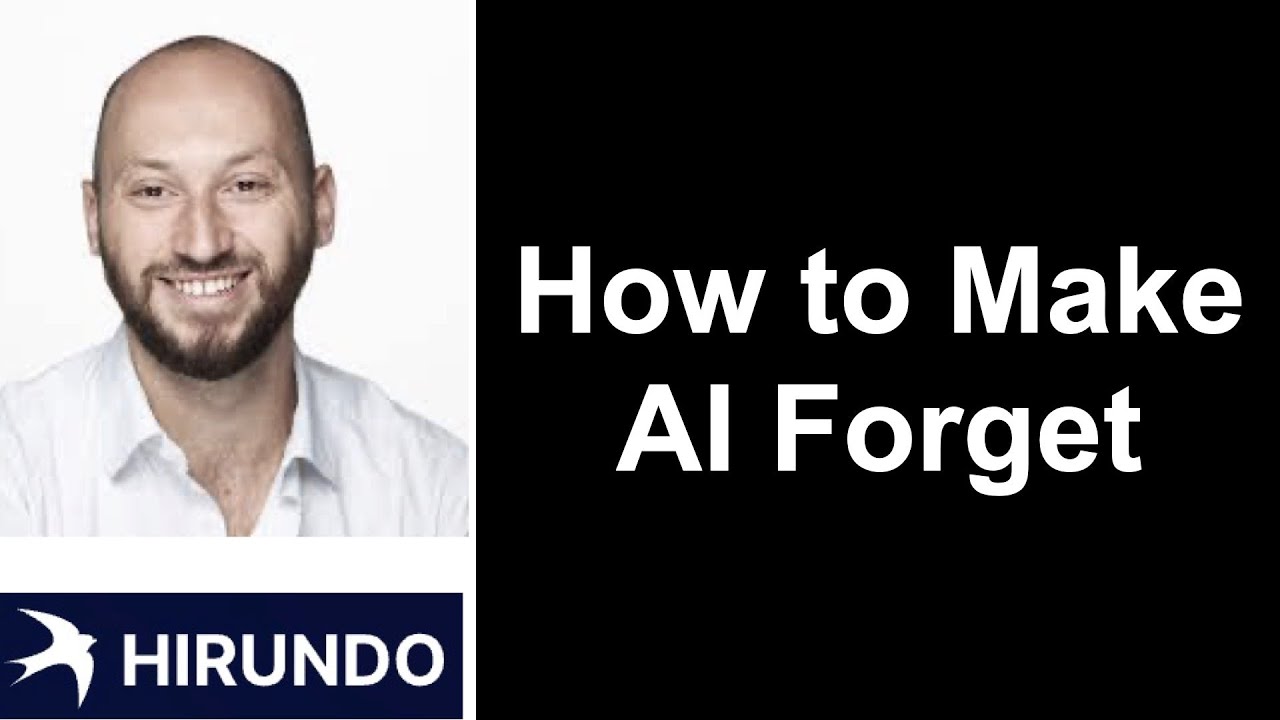
How to Make AI Forget

How to Make AI Forget

Ben Luria, CEO of Hirundo, discusses the critical need for machine unlearning, framing it as a form of "AI neuro-surgery" for enterprise AI. He explains how this technique directly modifies model weights to remove unwanted data and behaviors, addressing core risks that superficial solutions like guardrails cannot solve.

Technology

View All
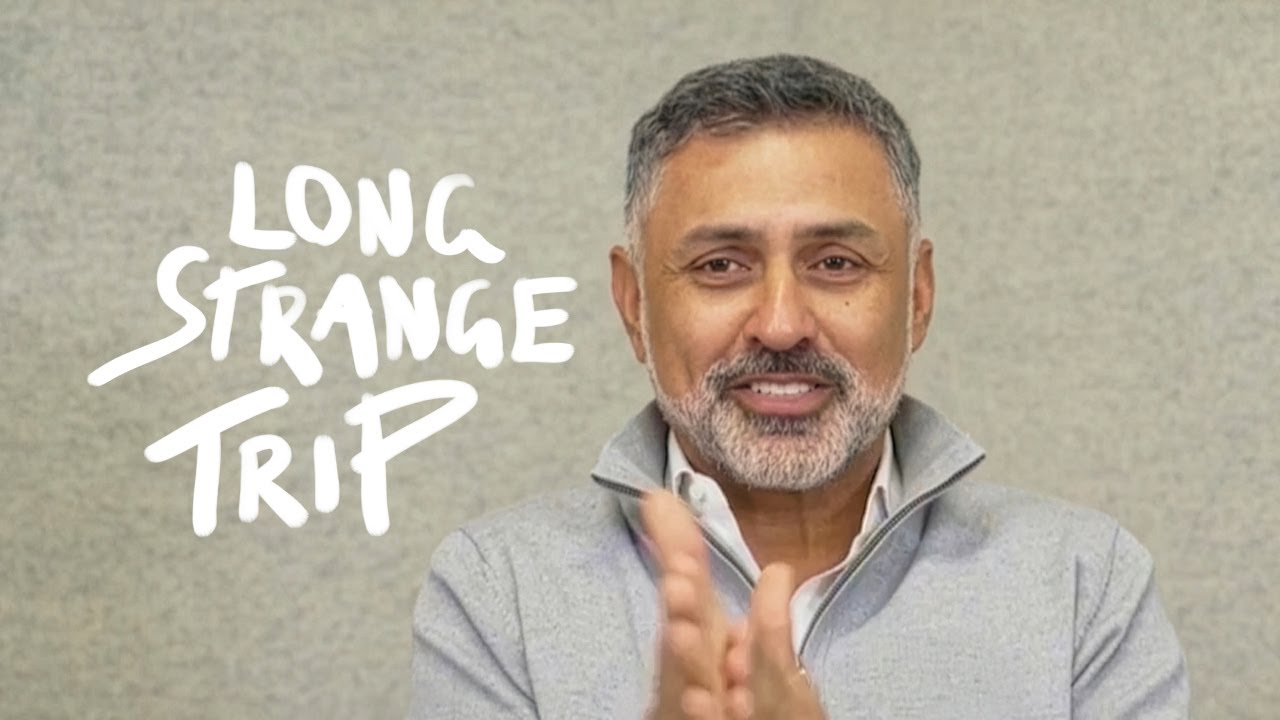
Palo Alto Networks CEO Nikesh Arora on the Virtues of Being an Outsider

Palo Alto Networks CEO Nikesh Arora on the Virtues of Being an Outsider

Nikesh Arora, CEO of Palo Alto Networks, shares his unconventional journey and leadership philosophy. He provides a masterclass in building a multi-platform company through strategic M&A, explains why founders should sometimes ignore customers, and reveals how to lead with conviction while managing imposter syndrome.

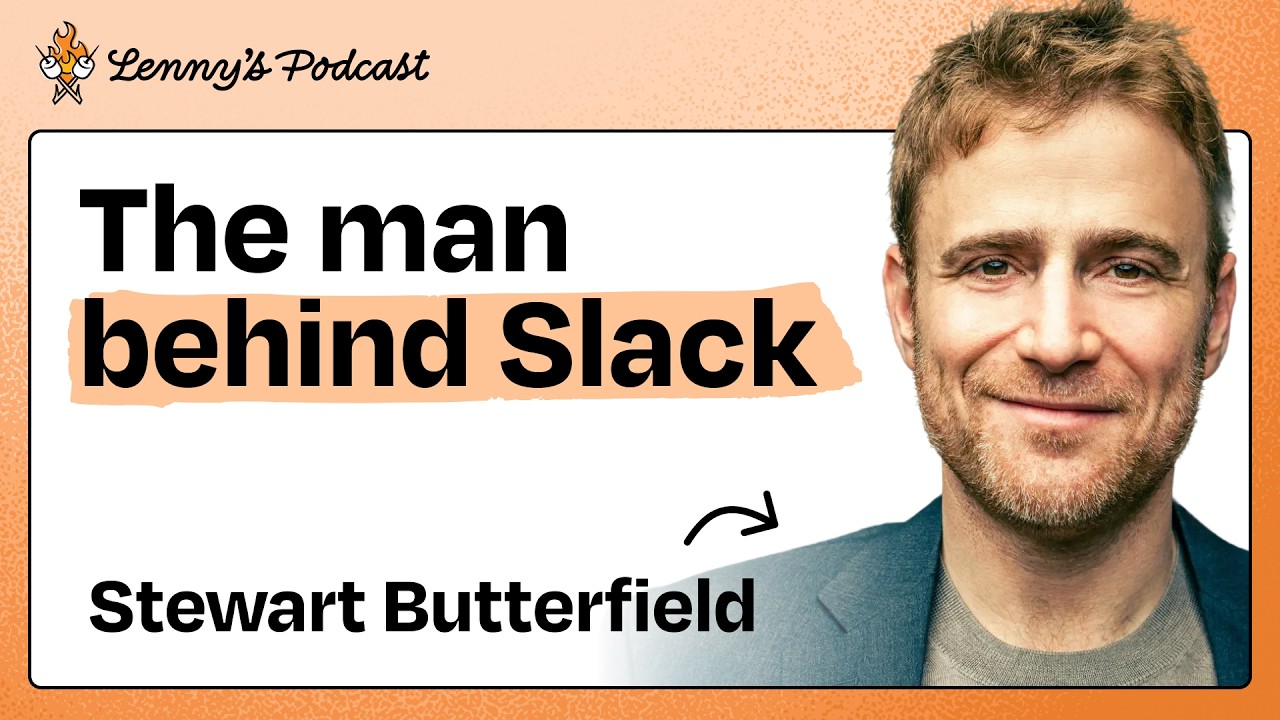
Mental models for building products people love ft. Stewart Butterfield

Mental models for building products people love ft. Stewart Butterfield

Stewart Butterfield, co-founder of Slack and Flickr, shares the product frameworks and leadership principles that guided his success. He delves into concepts like "utility curves" for feature investment, the "owner's delusion" in product design, and why focusing on "comprehension" is often more important than reducing friction. He also introduces powerful mental models for organizational effectiveness, such as combating "hyper-realistic work-like activities" and applying Parkinson's Law to team growth.

Intuit CEO Sasan Goodarzi’s Grown-Up CEO Playbook

Intuit CEO Sasan Goodarzi’s Grown-Up CEO Playbook

Intuit CEO Sasan Goodarzi discusses the operational playbook for reinventing a 40-year-old company, from its slow transition to SaaS to its early adoption of AI. He shares insights on winning the SMB market by treating small businesses like consumers, building effective channel partnerships, and developing a platform strategy. Goodarzi also details his leadership philosophy, emphasizing that grit and curiosity are more critical than raw talent.


Recent Post

How Crosby is Building an AI Law Firm on Deal Velocity not Billable Hours

How Crosby is Building an AI Law Firm on Deal Velocity not Billable Hours

Ryan Daniels and John Sarihan of Crosby discuss their innovative approach of building an AI-first law firm instead of a traditional legal software company. They detail how integrating lawyers and AI engineers creates a unique feedback loop for automating contract negotiations, moving from billable hours to per-document pricing to achieve deal velocity, and their vision for AI agents that can simulate entire negotiations.

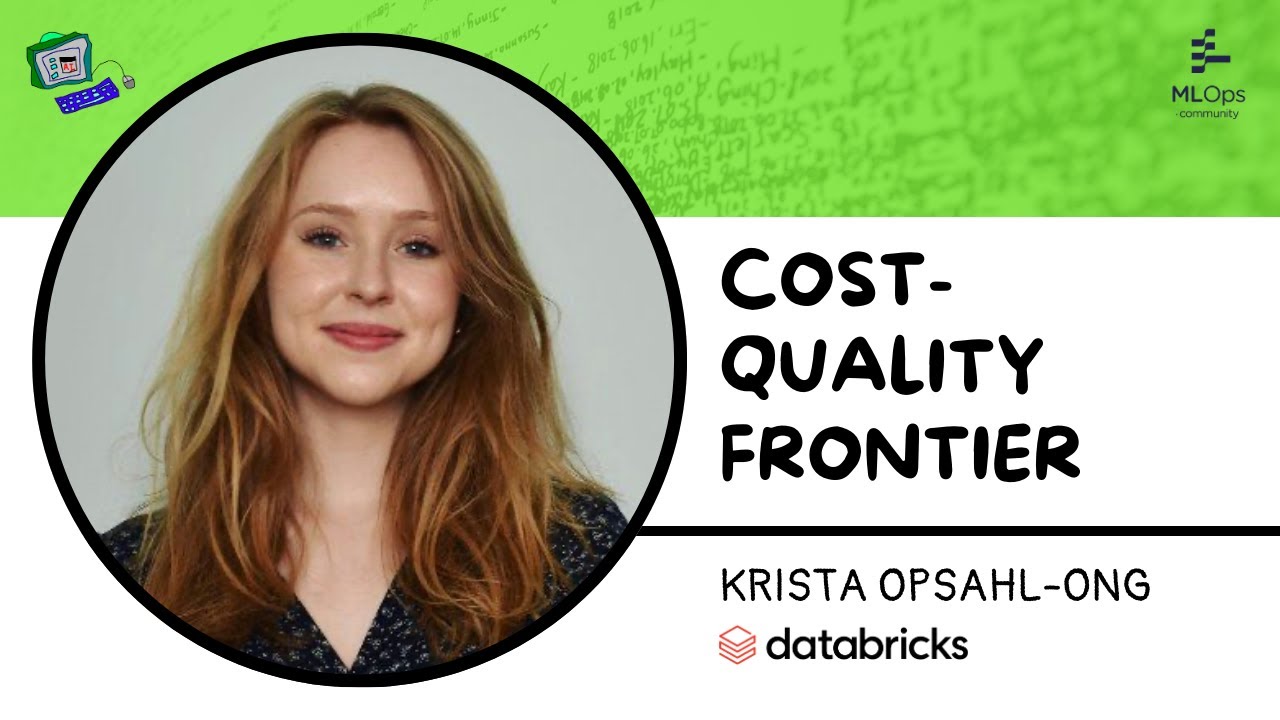
Advancing the Cost-Quality Frontier in Agentic AI // Krista Opsahl-Ong // Agents in Production 2025

Advancing the Cost-Quality Frontier in Agentic AI // Krista Opsahl-Ong // Agents in Production 2025

Krista Opsahl-Ong from Databricks introduces Agent Bricks, a platform designed to overcome the key challenges of productionizing enterprise AI agents. The talk covers common use cases, the difficult trade-offs between cost and quality, and how Agent Bricks uses automated evaluation and advanced optimization techniques to build cost-effective, high-performance agents.

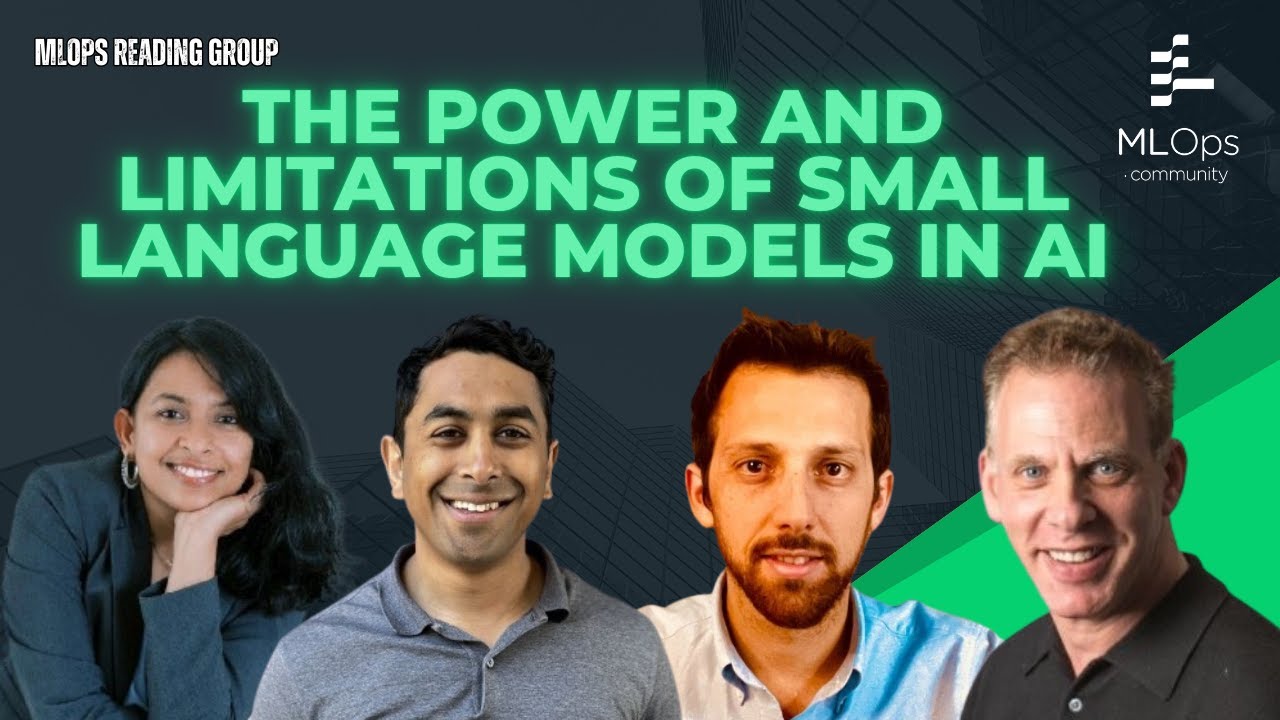
Small Language Models are the Future of Agentic AI Reading Group

Small Language Models are the Future of Agentic AI Reading Group

This paper challenges the prevailing "bigger is better" narrative in AI, arguing that Small Language Models (SLMs) are not just sufficient but often superior for agentic AI tasks due to their efficiency, speed, and specialization. The discussion explores the paper's core arguments, counterarguments, and the practical implications of adopting a hybrid LLM-SLM approach.

7 AI Terms You Need to Know: Agents, RAG, ASI & More

7 AI Terms You Need to Know: Agents, RAG, ASI & More

A deep dive into seven essential AI concepts shaping the future of intelligent systems, including Agentic AI, RAG, Mixture of Experts (MoE), and the theoretical frontier of Artificial Superintelligence (ASI).

GPT-OSS vs. Qwen vs. Deepseek: Comparing Open Source LLM Architectures

GPT-OSS vs. Qwen vs. Deepseek: Comparing Open Source LLM Architectures

A technical breakdown and comparison of the architectures, training methodologies, and post-training techniques of three leading open-source models: OpenAI's GPT-OSS, Alibaba's Qwen-3, and DeepSeek V3. The summary explores their different approaches to Mixture-of-Experts, long-context, and attention mechanisms.

Monster prompt, OpenAI’s business play, nano-banana and US Open experimentations

Monster prompt, OpenAI’s business play, nano-banana and US Open experimentations

The panel discusses KPMG's 100-page prompt for its TaxBot, debating the future of prompt engineering versus fine-tuning. They also analyze OpenAI's potential move into selling cloud infrastructure, the impressive capabilities of Google's new image model, Nano-Banana, and new AI-powered fan experiences at the US Open.

Stay In The Loop! Subscribe to Our Newsletter.

Get updates straight to your inbox. No spam, just useful content.