Tokenless

Machine Learning

View All
Post-training best-in-class models in 2025

Post-training best-in-class models in 2025

An expert overview of post-training techniques for language models, covering the entire workflow from data generation and curation to advanced algorithms like Supervised Fine-Tuning (SFT), Direct Preference Optimization (DPO), and Reinforcement Learning (RL), along with practical advice on evaluation and iteration.
Anaximander: Interactive Orchestration and Evaluation of Geospatial Foundation Models

Anaximander: Interactive Orchestration and Evaluation of Geospatial Foundation Models

This talk introduces Anaximander, a system designed to bridge the gap between traditional, GUI-driven Geographic Information System (GIS) workflows and modern, code-heavy machine learning practices. Anaximander integrates geospatial foundation models directly into QGIS, allowing experts to interactively orchestrate, run, and evaluate models for tasks like semantic segmentation and object detection on satellite imagery.

Efficient Reinforcement Learning – Rhythm Garg & Linden Li, Applied Compute

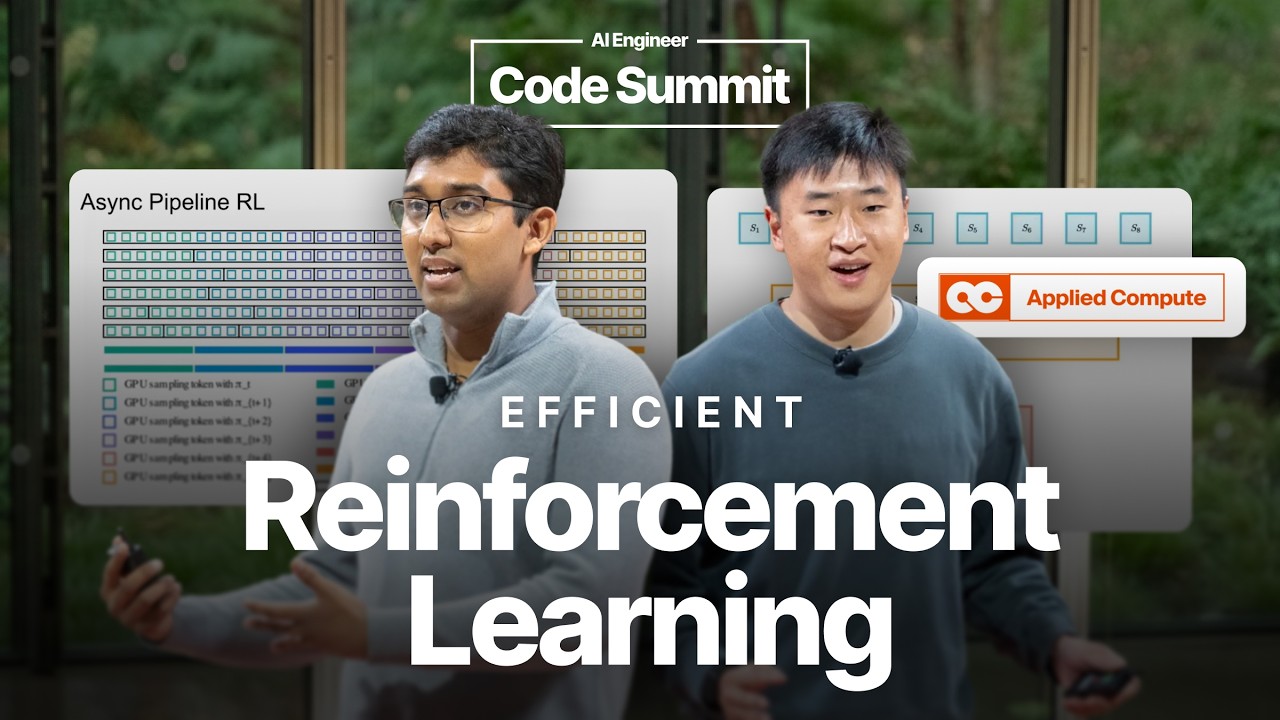
Efficient Reinforcement Learning – Rhythm Garg & Linden Li, Applied Compute

At Applied Compute, efficient Reinforcement Learning is critical for delivering business value. This talk explores the transition from inefficient synchronous RL to a high-throughput asynchronous 'Pipeline RL' system. The core challenge is managing 'staleness'—a side effect of in-flight weight updates that can destabilize training. The speakers detail their first-principles systems model, based on the Roofline model, used to simulate and find the optimal allocation of GPU resources between sampling and training, balancing throughput with algorithmic stability and achieving significant speedups.

Artificial Intelligence

View All
How Ricursive Intelligence’s Founders are Using AI to Shape The Future of Chip Design

How Ricursive Intelligence’s Founders are Using AI to Shape The Future of Chip Design

Anna Goldie and Azalia Mirhoseini of Ricursive Intelligence discuss how their work on Google's AlphaChip, which used AI to design TPUs, is now being extended to automate the entire chip design process. They explain their vision for a 'designless' industry and a recursive self-improvement loop where AI designs better chips, which in turn accelerates AI development.

Identity for AI Agents - Patrick Riley & Carlos Galan, Auth0

Identity for AI Agents - Patrick Riley & Carlos Galan, Auth0

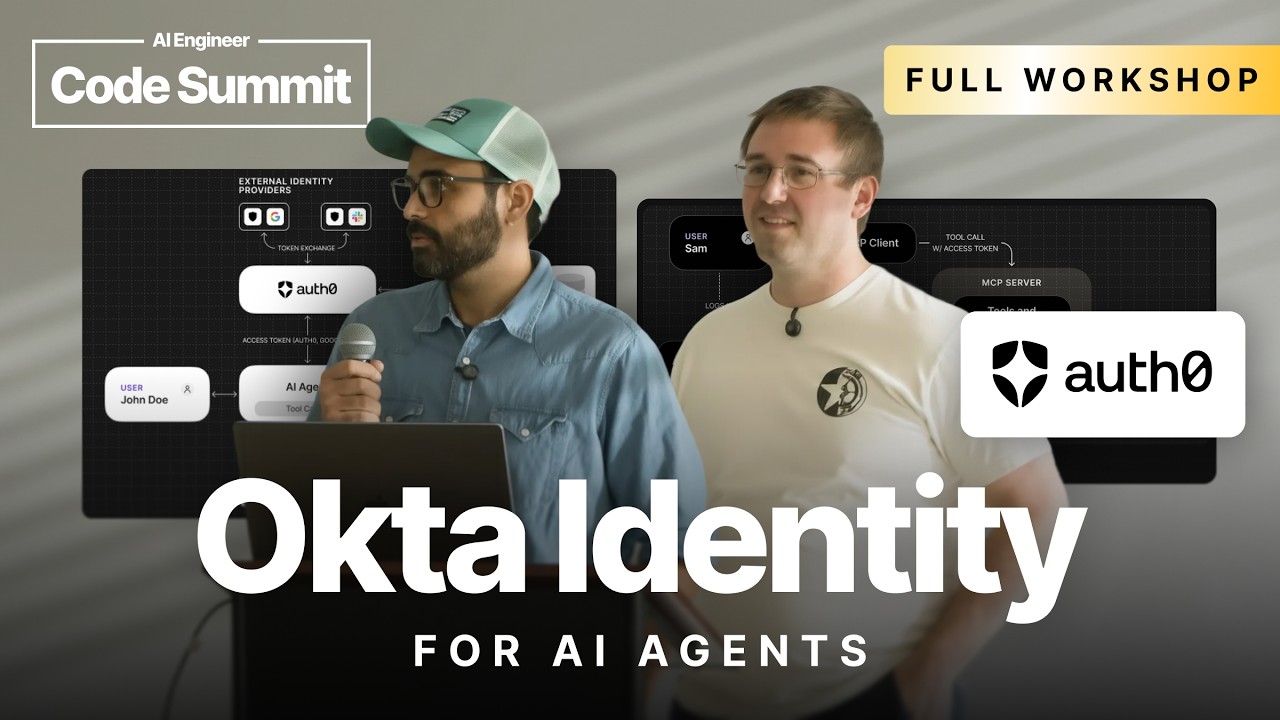
This session from Okta and Auth0 introduces a comprehensive framework for securing AI agents, covering identity establishment, delegated API access via Token Vault, user consent for risky operations using Asynchronous Authorization (CIBA), and integration with MCP servers.

Ransomware whack-a-mole, AI agents as insider threats and how to hack a humanoid robot

Ransomware whack-a-mole, AI agents as insider threats and how to hack a humanoid robot

A discussion on the evolving cybersecurity landscape, covering the persistent threat of ransomware gangs adapting with AI, the critical failures in identity security highlighted by the Zestix case, the emergence of AI agents as a new class of insider threats, and the physical-world risks demonstrated by hacking humanoid robots.

Technology

View All
Palo Alto Networks CEO Nikesh Arora on the Virtues of Being an Outsider

Palo Alto Networks CEO Nikesh Arora on the Virtues of Being an Outsider

Nikesh Arora, CEO of Palo Alto Networks, shares his unconventional journey and leadership philosophy. He provides a masterclass in building a multi-platform company through strategic M&A, explains why founders should sometimes ignore customers, and reveals how to lead with conviction while managing imposter syndrome.

Mental models for building products people love ft. Stewart Butterfield

Mental models for building products people love ft. Stewart Butterfield

Stewart Butterfield, co-founder of Slack and Flickr, shares the product frameworks and leadership principles that guided his success. He delves into concepts like "utility curves" for feature investment, the "owner's delusion" in product design, and why focusing on "comprehension" is often more important than reducing friction. He also introduces powerful mental models for organizational effectiveness, such as combating "hyper-realistic work-like activities" and applying Parkinson's Law to team growth.

Intuit CEO Sasan Goodarzi’s Grown-Up CEO Playbook

Intuit CEO Sasan Goodarzi’s Grown-Up CEO Playbook

Intuit CEO Sasan Goodarzi discusses the operational playbook for reinventing a 40-year-old company, from its slow transition to SaaS to its early adoption of AI. He shares insights on winning the SMB market by treating small businesses like consumers, building effective channel partnerships, and developing a platform strategy. Goodarzi also details his leadership philosophy, emphasizing that grit and curiosity are more critical than raw talent.


Recent Post

The Common Thread of All Technology: Monitoring the Situation, Ep.1

The Common Thread of All Technology: Monitoring the Situation, Ep.1

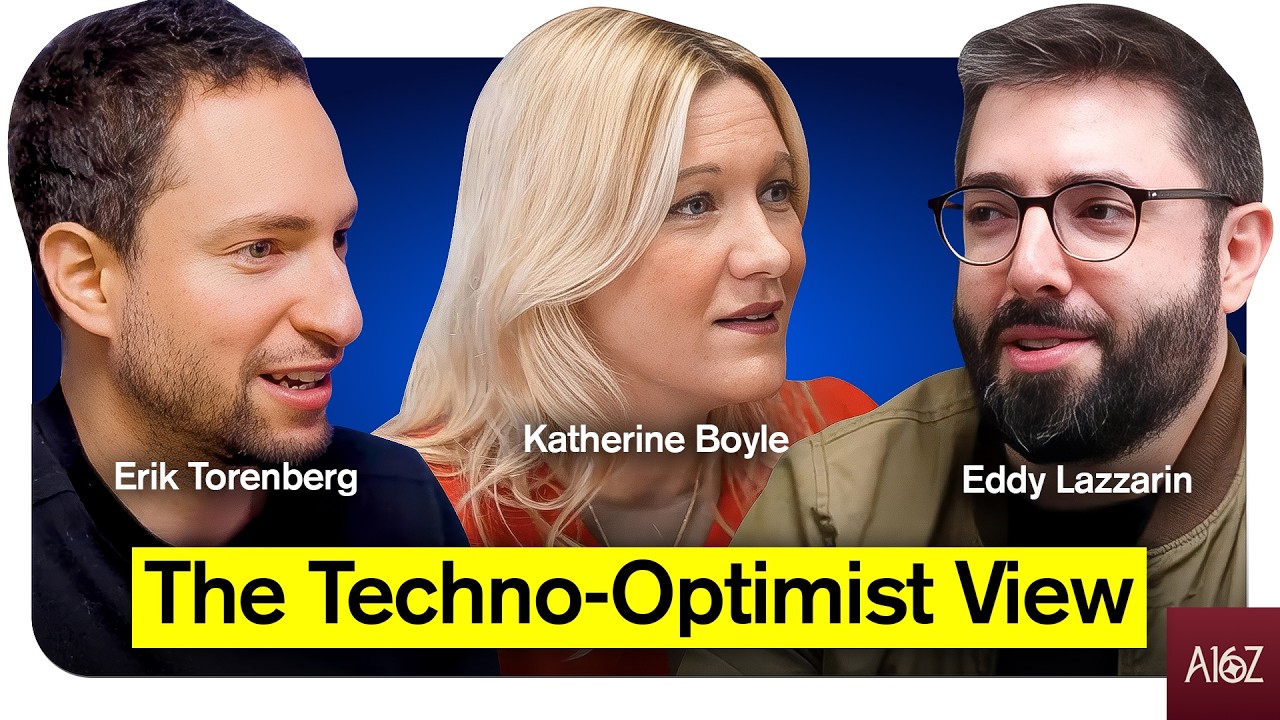
In the first episode of "Monitoring the Situation", a16z's Erik Torenberg, Katherine Boyle, and guest Eddie Lazzarin discuss the firm's coherent vision, linking American Dynamism, gaming, and crypto through the lens of Marc Andreessen’s Techno-Optimist Manifesto. They explore the philosophical alignment between crypto and American values, the impact of AI on parenting and healthcare, new education models, and how fragmented internet subcultures are shaping mainstream discourse.

How to Optimize AI Agents in Production

How to Optimize AI Agents in Production

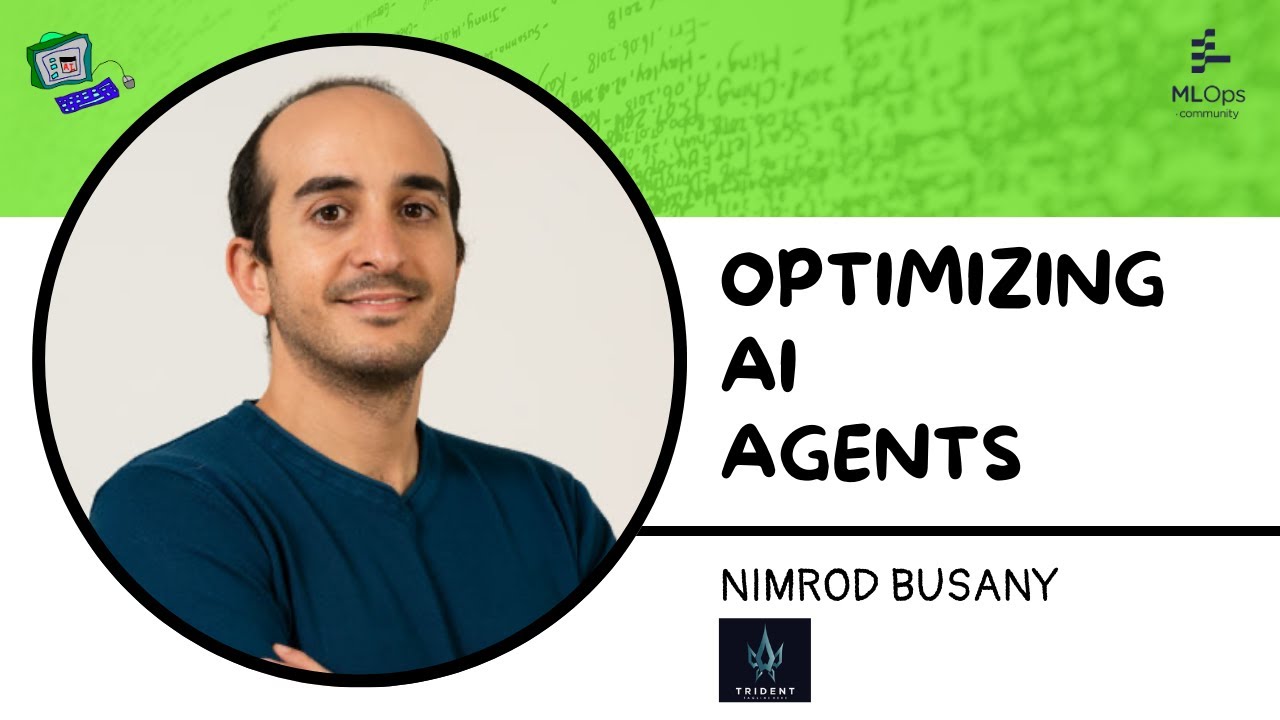
Engineers building AI agents face a combinatorial explosion of configuration choices (prompts, models, parameters), leading to guesswork and suboptimal results. This talk introduces a structured, data-driven approach using multi-objective optimization to systematically explore this vast design space. Learn how the Traigent SDK helps engineers efficiently identify optimal tradeoffs between cost, latency, and accuracy, yielding significant quality improvements and cost reductions without manual trial-and-error.

Evaluating AI Agents: Why It Matters and How We Do It

Evaluating AI Agents: Why It Matters and How We Do It

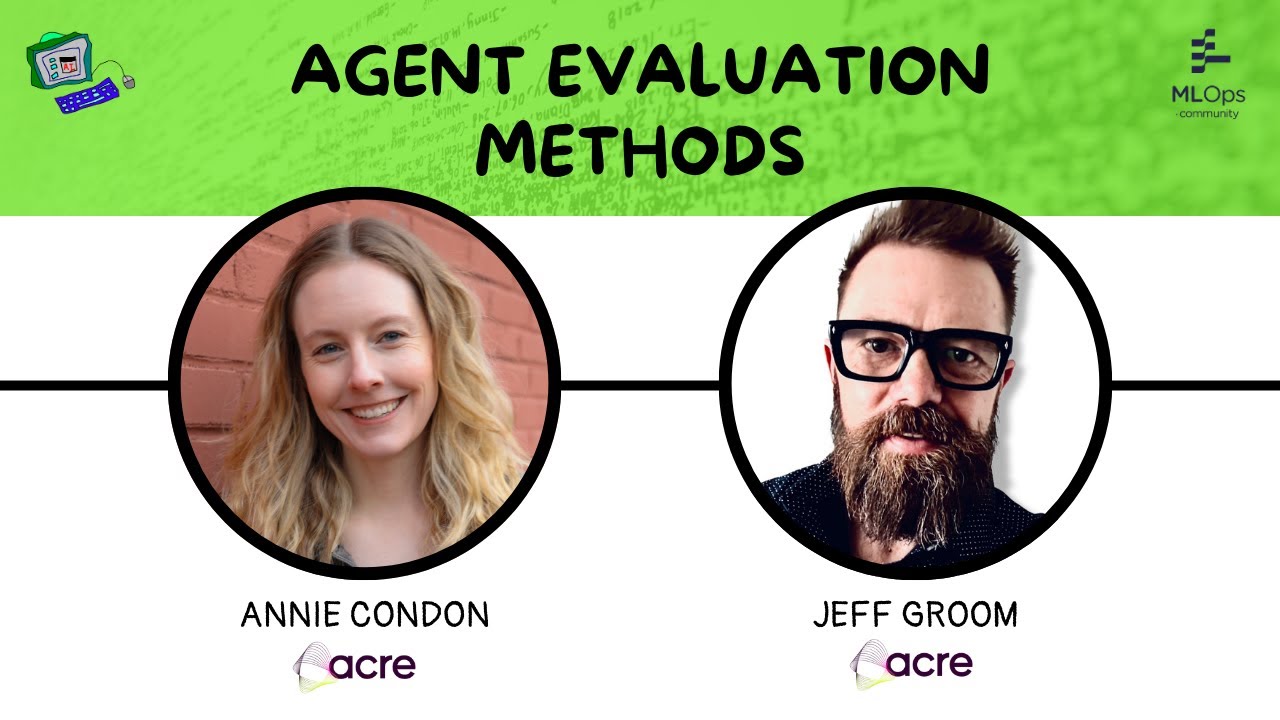
Annie Condon and Jeff Groom from Acre Security detail their practical approach to robustly evaluating non-deterministic AI agents. They share their philosophy that evaluations are critical for quality, introduce their "X-ray machine" analogy for observability, and walk through their evaluation stack, including versioning strategies and the use of tools like Logfire for tracing and Confident AI (Deep Evals) for systematic metric tracking.

Designing Claude Code

Designing Claude Code

Anthropic’s Meaghan Choi and Alex Albert explore the design philosophy behind Claude Code, discussing its terminal-first approach, the evolution of developer workflows in the age of LLMs, and how agentic coding empowers both engineers and designers.

Richard Sutton – Father of RL thinks LLMs are a dead end

Richard Sutton – Father of RL thinks LLMs are a dead end

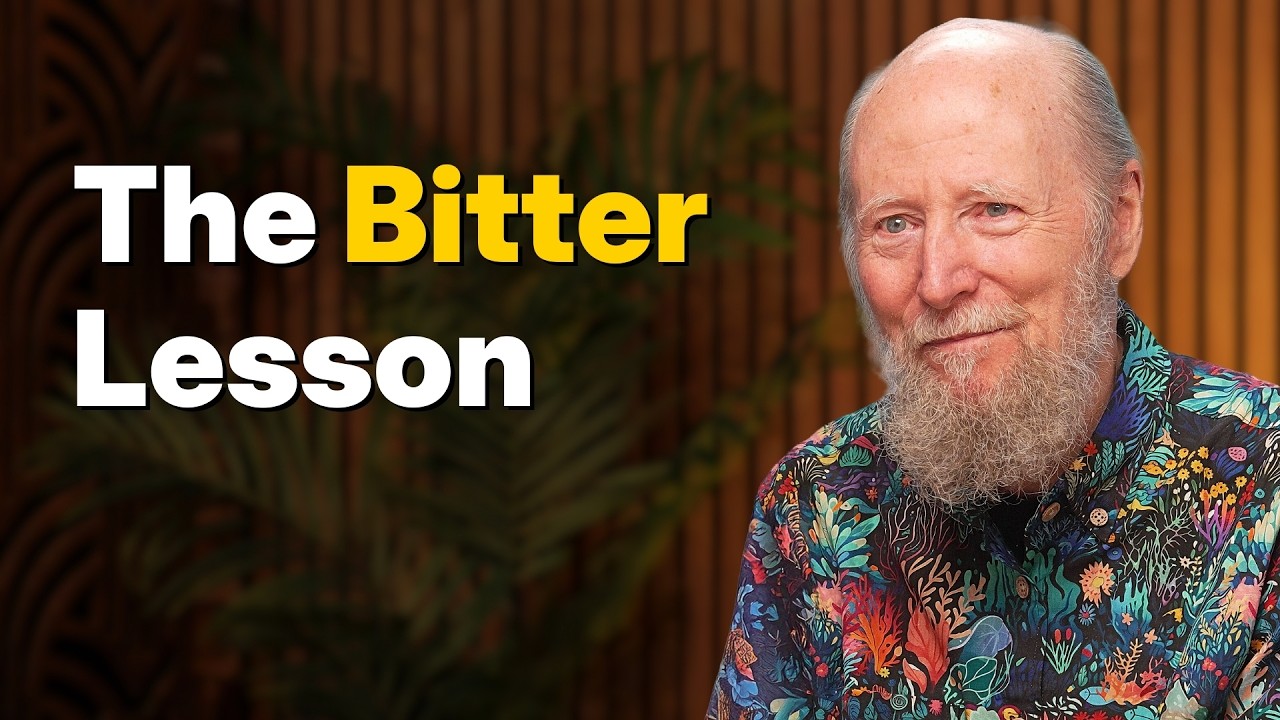
Richard Sutton, a foundational figure in reinforcement learning, argues that Large Language Models (LLMs) are a flawed paradigm for achieving true intelligence. He posits that LLMs are mimics of human-generated text, lacking genuine goals, world models, and the ability to learn continually from experience. Sutton advocates for a return to the principles of reinforcement learning, where an agent learns from the consequences of its actions in the real world, a method he believes is truly scalable and fundamental to all animal and human intelligence.

Early Days of Agile Development & Is Design Dead? • Martin Fowler & James Lewis

Early Days of Agile Development & Is Design Dead? • Martin Fowler & James Lewis

In an interview with James Lewis, Martin Fowler recounts his journey into the Agile movement, starting from the object-oriented community to the pivotal Chrysler C3 project where Extreme Programming (XP) was born. He discusses the shift from upfront to evolutionary design, the creation of the Agile Manifesto, and offers modern perspectives on developer productivity, the role of GenAI in software analysis, and the enduring importance of XP's technical practices.

Stay In The Loop! Subscribe to Our Newsletter.

Get updates straight to your inbox. No spam, just useful content.