
Tokenless

Machine Learning

View All
Post-training best-in-class models in 2025

Post-training best-in-class models in 2025

An expert overview of post-training techniques for language models, covering the entire workflow from data generation and curation to advanced algorithms like Supervised Fine-Tuning (SFT), Direct Preference Optimization (DPO), and Reinforcement Learning (RL), along with practical advice on evaluation and iteration.

Anaximander: Interactive Orchestration and Evaluation of Geospatial Foundation Models

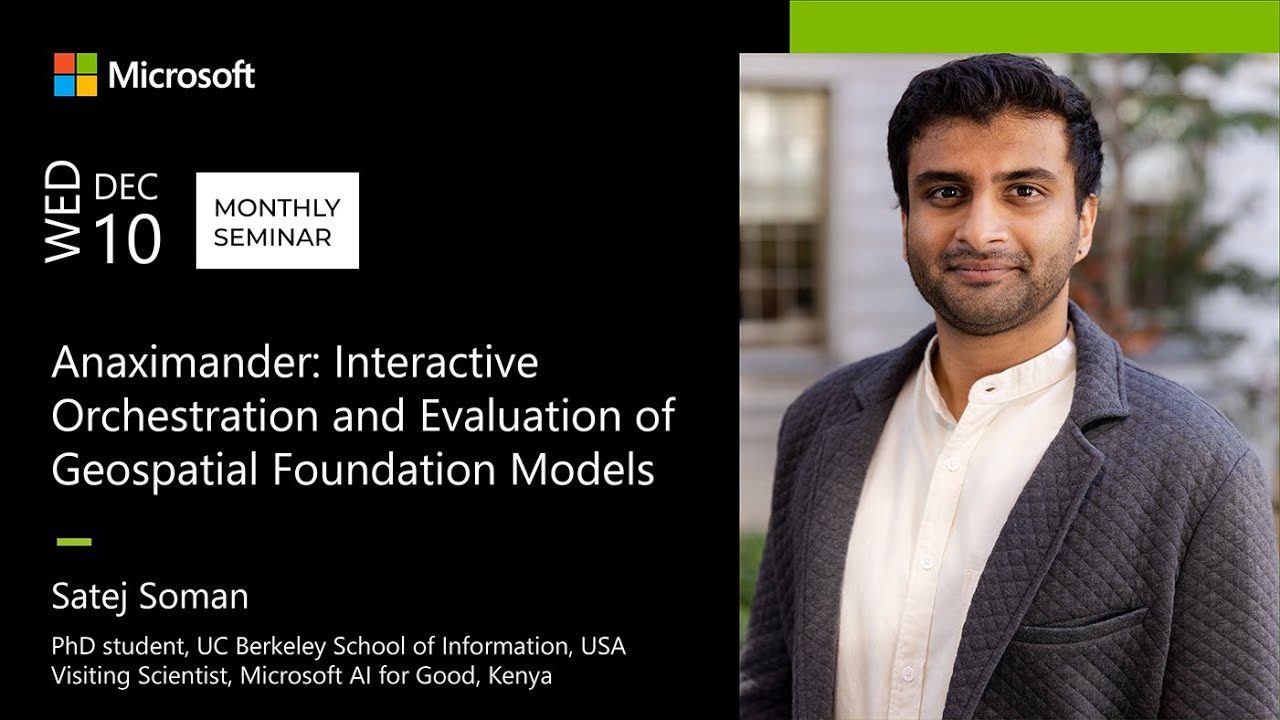
Anaximander: Interactive Orchestration and Evaluation of Geospatial Foundation Models

This talk introduces Anaximander, a system designed to bridge the gap between traditional, GUI-driven Geographic Information System (GIS) workflows and modern, code-heavy machine learning practices. Anaximander integrates geospatial foundation models directly into QGIS, allowing experts to interactively orchestrate, run, and evaluate models for tasks like semantic segmentation and object detection on satellite imagery.

Efficient Reinforcement Learning – Rhythm Garg & Linden Li, Applied Compute

Efficient Reinforcement Learning – Rhythm Garg & Linden Li, Applied Compute

At Applied Compute, efficient Reinforcement Learning is critical for delivering business value. This talk explores the transition from inefficient synchronous RL to a high-throughput asynchronous 'Pipeline RL' system. The core challenge is managing 'staleness'—a side effect of in-flight weight updates that can destabilize training. The speakers detail their first-principles systems model, based on the Roofline model, used to simulate and find the optimal allocation of GPU resources between sampling and training, balancing throughput with algorithmic stability and achieving significant speedups.

Artificial Intelligence

View All
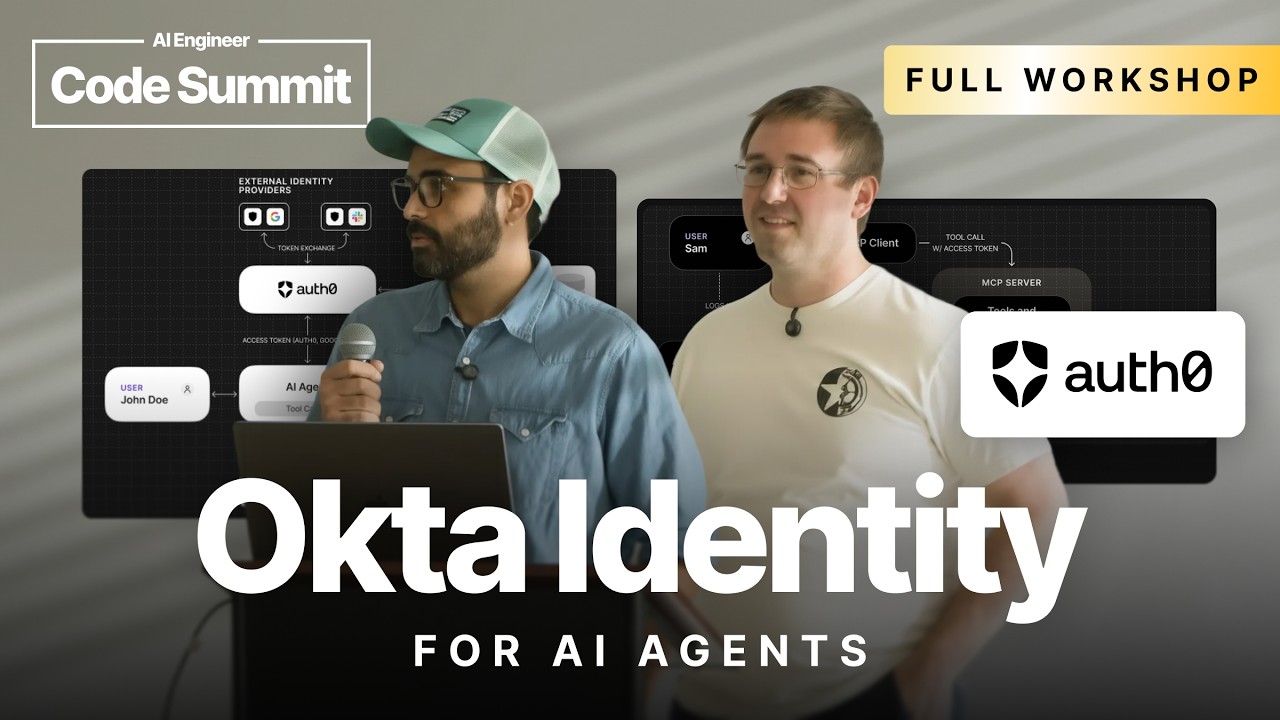
Identity for AI Agents - Patrick Riley & Carlos Galan, Auth0

Identity for AI Agents - Patrick Riley & Carlos Galan, Auth0

This session from Okta and Auth0 introduces a comprehensive framework for securing AI agents, covering identity establishment, delegated API access via Token Vault, user consent for risky operations using Asynchronous Authorization (CIBA), and integration with MCP servers.

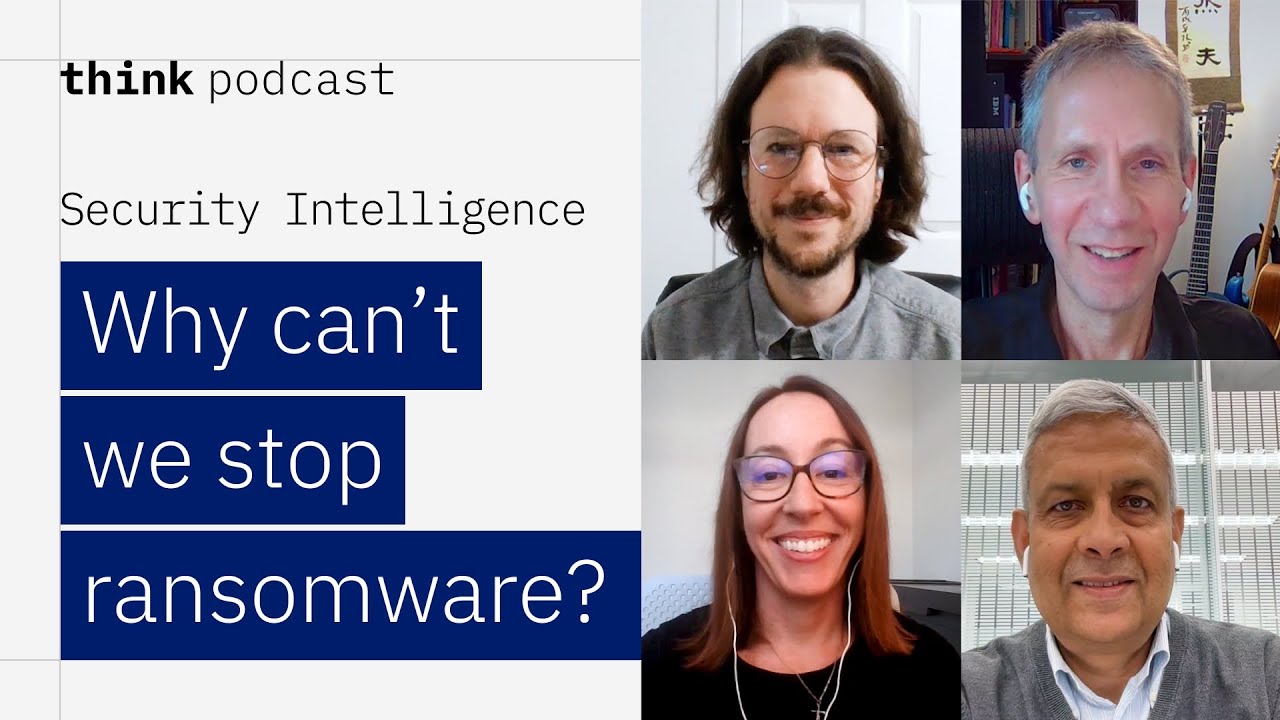
Ransomware whack-a-mole, AI agents as insider threats and how to hack a humanoid robot

Ransomware whack-a-mole, AI agents as insider threats and how to hack a humanoid robot

A discussion on the evolving cybersecurity landscape, covering the persistent threat of ransomware gangs adapting with AI, the critical failures in identity security highlighted by the Zestix case, the emergence of AI agents as a new class of insider threats, and the physical-world risks demonstrated by hacking humanoid robots.

Moonshot Podcast Deep Dive: Emily Ma on Solving Food Waste

Moonshot Podcast Deep Dive: Emily Ma on Solving Food Waste

In a discussion with Astro Teller, Emily Ma from X (formerly Google X) delves into the multifaceted problem of food waste and the moonshot projects developed to tackle it. They explore Project Delta, an initiative that created an "air traffic control" system for surplus food, and Project Chorus, a broader supply chain moonshot designed to give every object a voice through advanced sensors and software.

Technology

View All
Palo Alto Networks CEO Nikesh Arora on the Virtues of Being an Outsider

Palo Alto Networks CEO Nikesh Arora on the Virtues of Being an Outsider

Nikesh Arora, CEO of Palo Alto Networks, shares his unconventional journey and leadership philosophy. He provides a masterclass in building a multi-platform company through strategic M&A, explains why founders should sometimes ignore customers, and reveals how to lead with conviction while managing imposter syndrome.

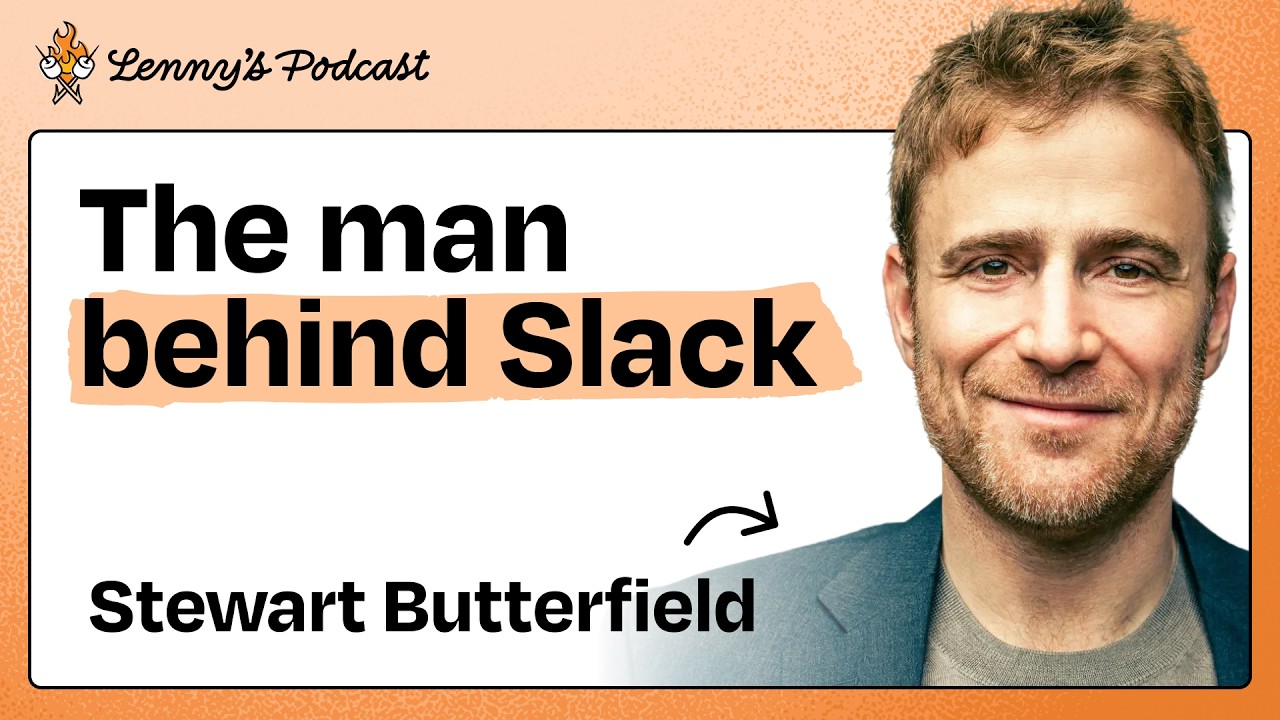
Mental models for building products people love ft. Stewart Butterfield

Mental models for building products people love ft. Stewart Butterfield

Stewart Butterfield, co-founder of Slack and Flickr, shares the product frameworks and leadership principles that guided his success. He delves into concepts like "utility curves" for feature investment, the "owner's delusion" in product design, and why focusing on "comprehension" is often more important than reducing friction. He also introduces powerful mental models for organizational effectiveness, such as combating "hyper-realistic work-like activities" and applying Parkinson's Law to team growth.

Intuit CEO Sasan Goodarzi’s Grown-Up CEO Playbook

Intuit CEO Sasan Goodarzi’s Grown-Up CEO Playbook

Intuit CEO Sasan Goodarzi discusses the operational playbook for reinventing a 40-year-old company, from its slow transition to SaaS to its early adoption of AI. He shares insights on winning the SMB market by treating small businesses like consumers, building effective channel partnerships, and developing a platform strategy. Goodarzi also details his leadership philosophy, emphasizing that grit and curiosity are more critical than raw talent.


Recent Post

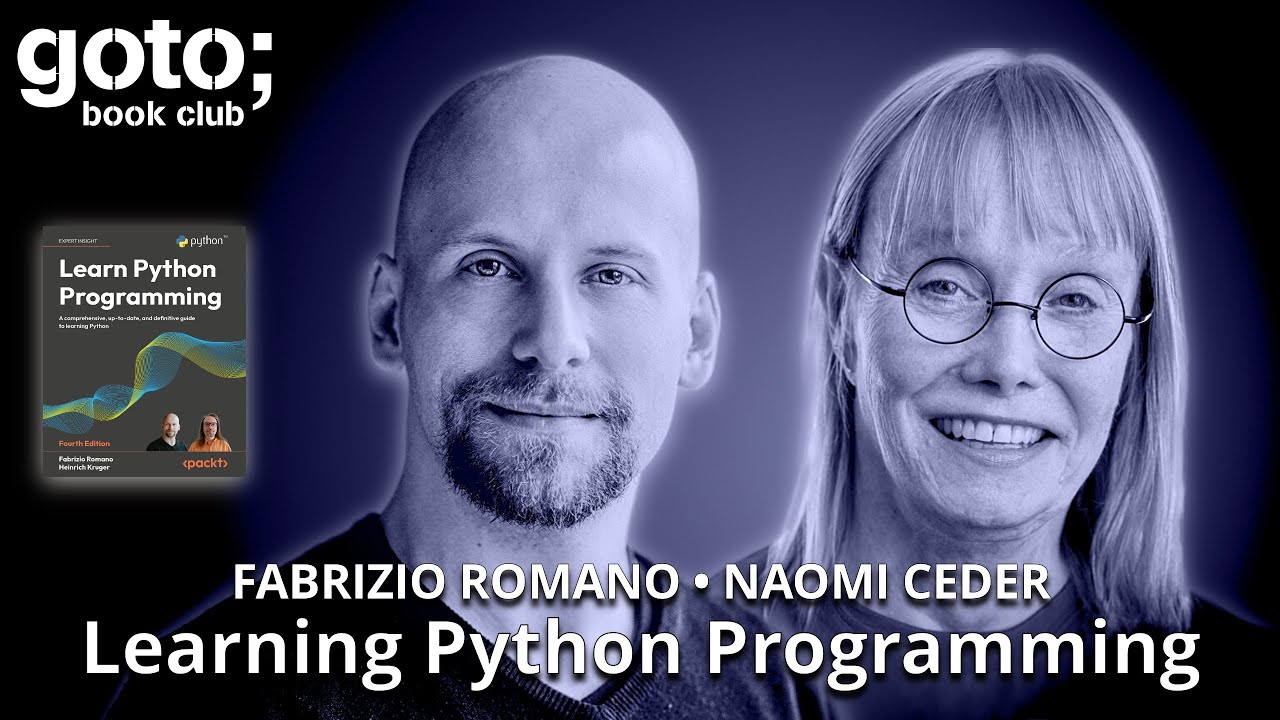
Learning Python Programming • Fabrizio Romano & Naomi Ceder • GOTO 2025

Learning Python Programming • Fabrizio Romano & Naomi Ceder • GOTO 2025

Author Fabrizio Romano discusses his decade-long journey writing "Learning Python Programming," detailing the book's evolution from GUI-focused content to command-line applications. He explores the controversial but ultimately beneficial introduction of typing in Python, the role of AI as a powerful tool for developers, and the critical importance of nurturing junior talent rather than replacing them with AI, emphasizing the enduring need for fundamental programming skills and human expertise.

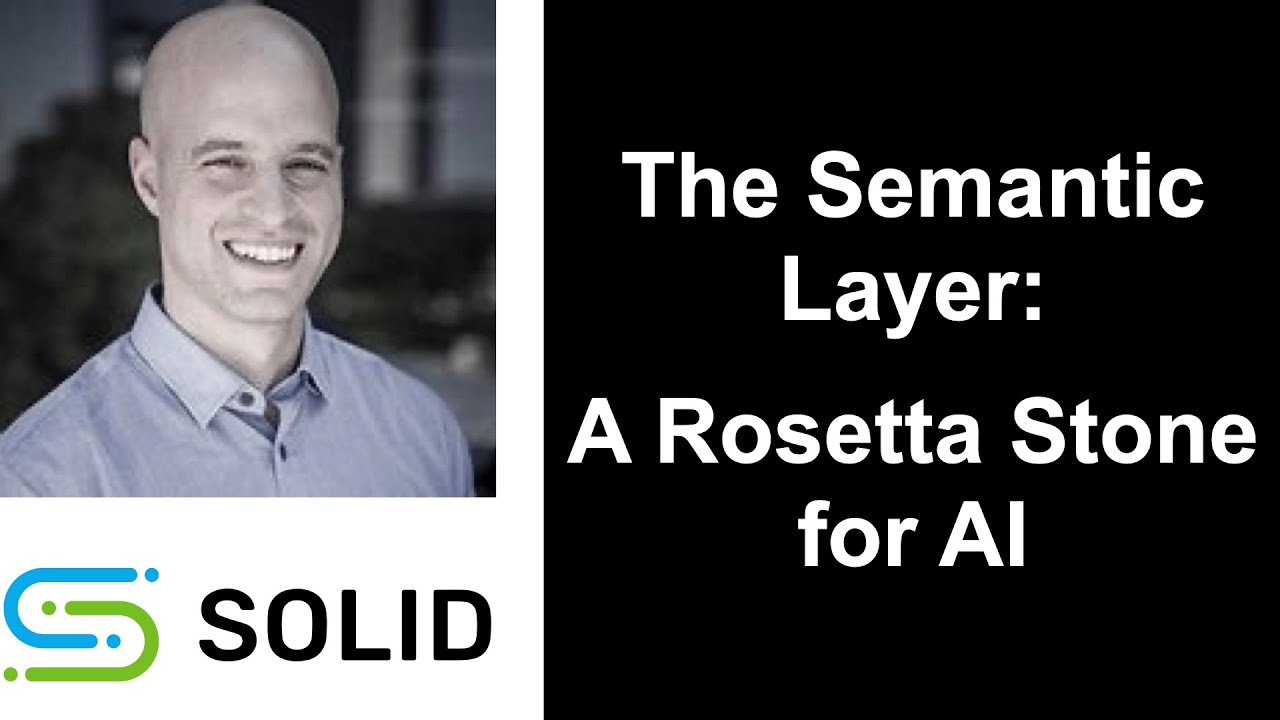
The Missing Piece in the AI for BI Puzzle

The Missing Piece in the AI for BI Puzzle

Yoni Leitersdorf, CEO of Solid, explains that directly applying Large Language Models (LLMs) to databases for text-to-SQL fails due to a lack of business context. He introduces the concept of a semantic layer as a critical "Rosetta Stone" that translates raw data into a meaningful format AI can understand, enabling reliable and accurate data interaction.

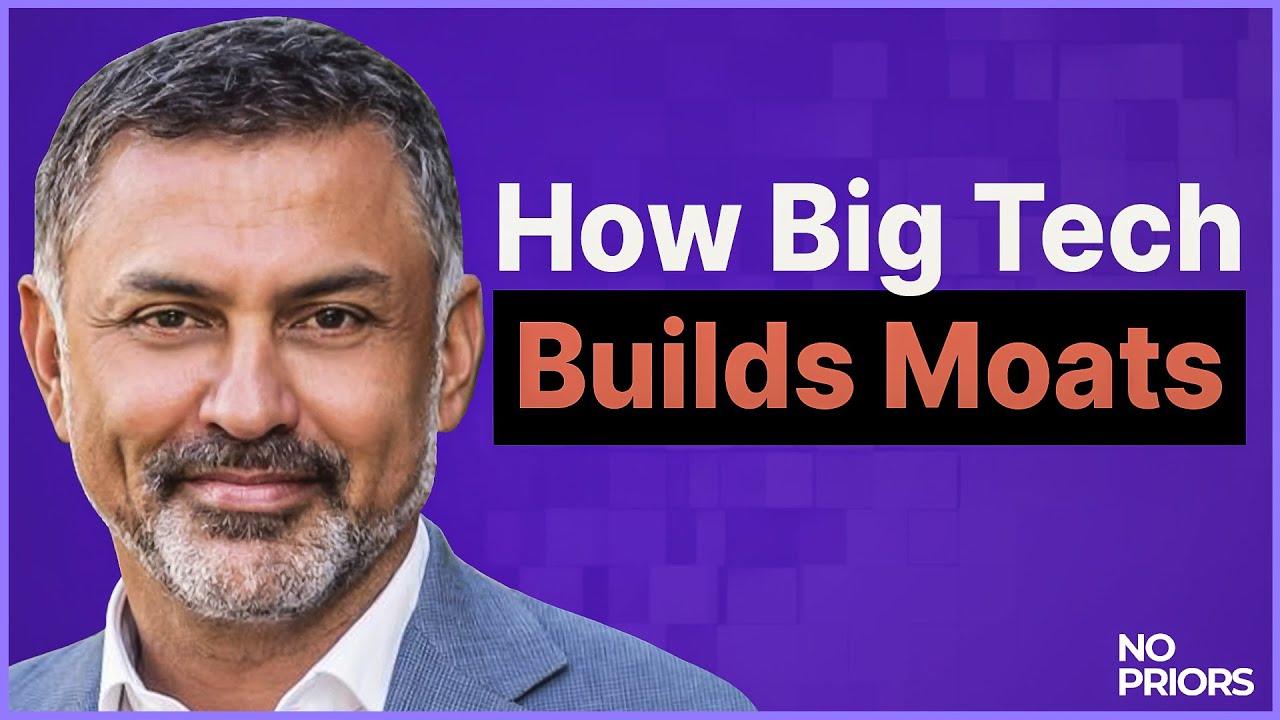
No Priors Ep. 134 | With Palo Alto Networks CEO Nikesh Arora

No Priors Ep. 134 | With Palo Alto Networks CEO Nikesh Arora

Nikesh Arora, CEO of Palo Alto Networks, discusses the transformative impact of AI on search, enterprise business models, and cybersecurity. He explores the shift from search to agentic AI, the challenges and opportunities for enterprise adoption, and how AI is fundamentally compressing cyberattack timelines while enabling new, data-centric defense strategies.

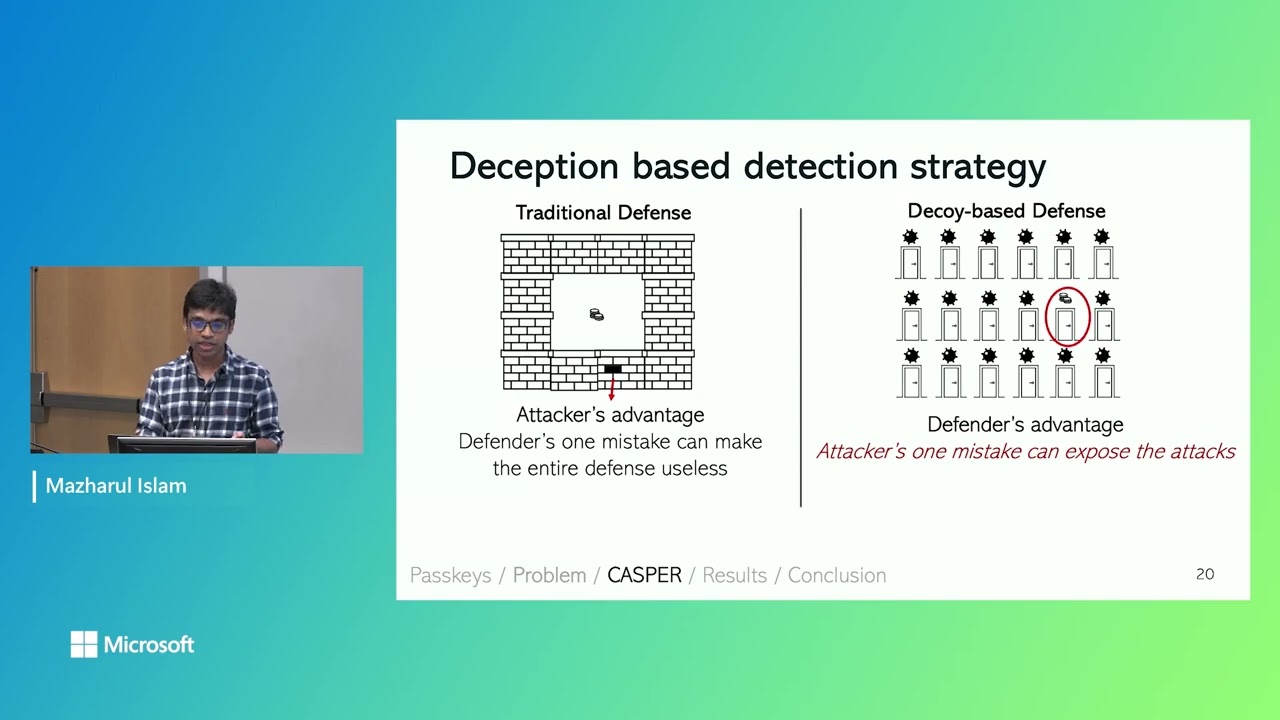
Detecting Compromise of Passkey Storage on the Cloud

Detecting Compromise of Passkey Storage on the Cloud

Mazharul Islam from the University of Wisconsin—Madison introduces CASPER, a novel deception-based framework designed to detect the misuse of passkeys stolen from cloud storage providers. CASPER uses a system of decoy secrets and passkeys to enable relying parties (websites) to identify and flag unauthorized login attempts, effectively balancing security, usability, and deployability without disrupting the user experience.

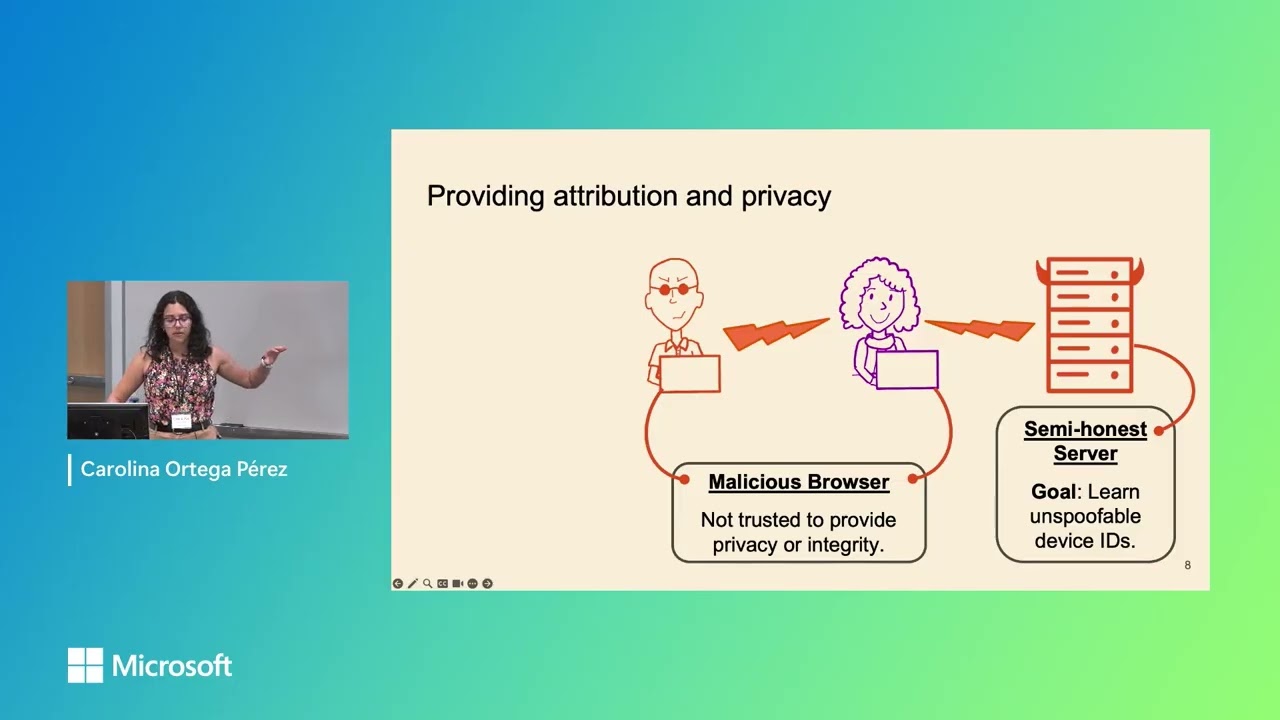
Encrypted Access Logging for Online Accounts: Device Attributions without Device Tracking

Encrypted Access Logging for Online Accounts: Device Attributions without Device Tracking

Client-Side Encrypted Access Logging (CSAL) is a proposed protocol that uses OS-level cryptography and FIDO2-style attestations to create trustworthy, privacy-preserving account activity logs, resolving the tension between preventing user tracking and accurately detecting account compromise.

RevenueCat: Powering Subscriptions for the App Economy

RevenueCat: Powering Subscriptions for the App Economy

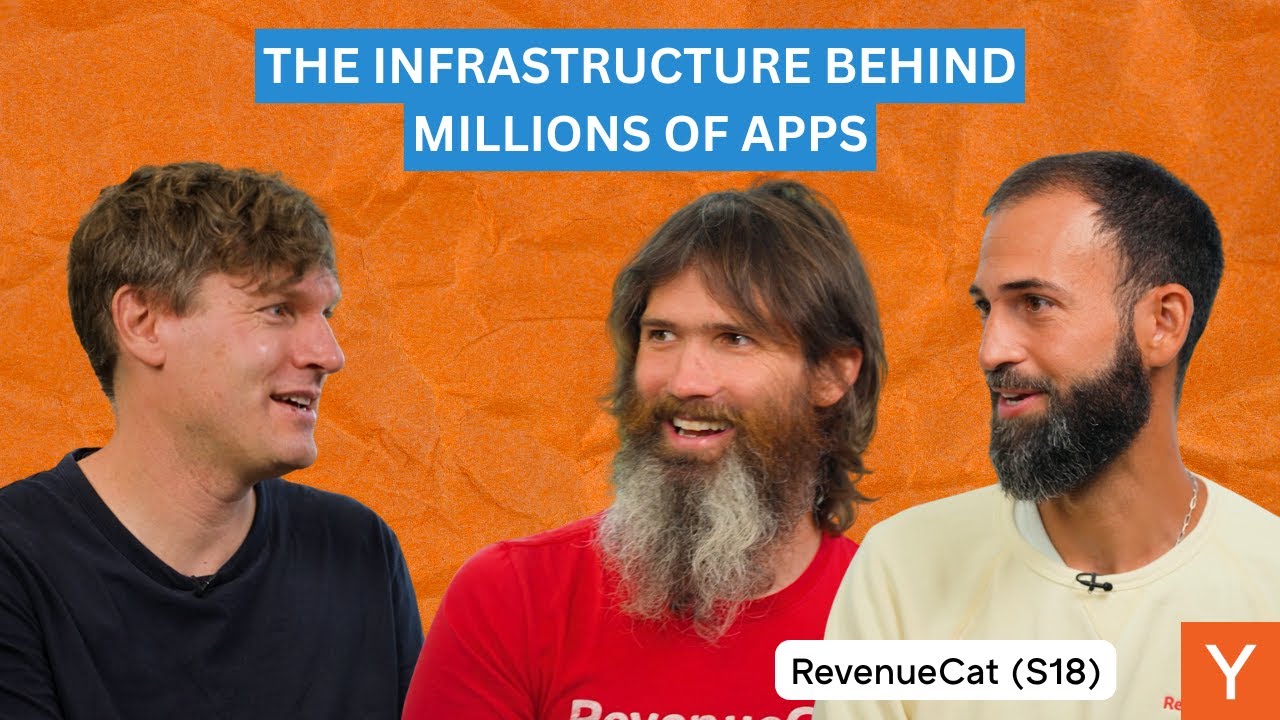
In a YC interview, RevenueCat co-founders Jacob Eiting and Miguel Carranza discuss their journey from experiencing the pain of in-app purchases to building a critical piece of infrastructure for the mobile economy. They cover their early-stage conviction, the keys to selling to developers, and the operational and personal lessons learned while scaling to a globally distributed team.

Stay In The Loop! Subscribe to Our Newsletter.

Get updates straight to your inbox. No spam, just useful content.