Tokenless

Machine Learning

View All
Post-training best-in-class models in 2025

Post-training best-in-class models in 2025

An expert overview of post-training techniques for language models, covering the entire workflow from data generation and curation to advanced algorithms like Supervised Fine-Tuning (SFT), Direct Preference Optimization (DPO), and Reinforcement Learning (RL), along with practical advice on evaluation and iteration.
Anaximander: Interactive Orchestration and Evaluation of Geospatial Foundation Models

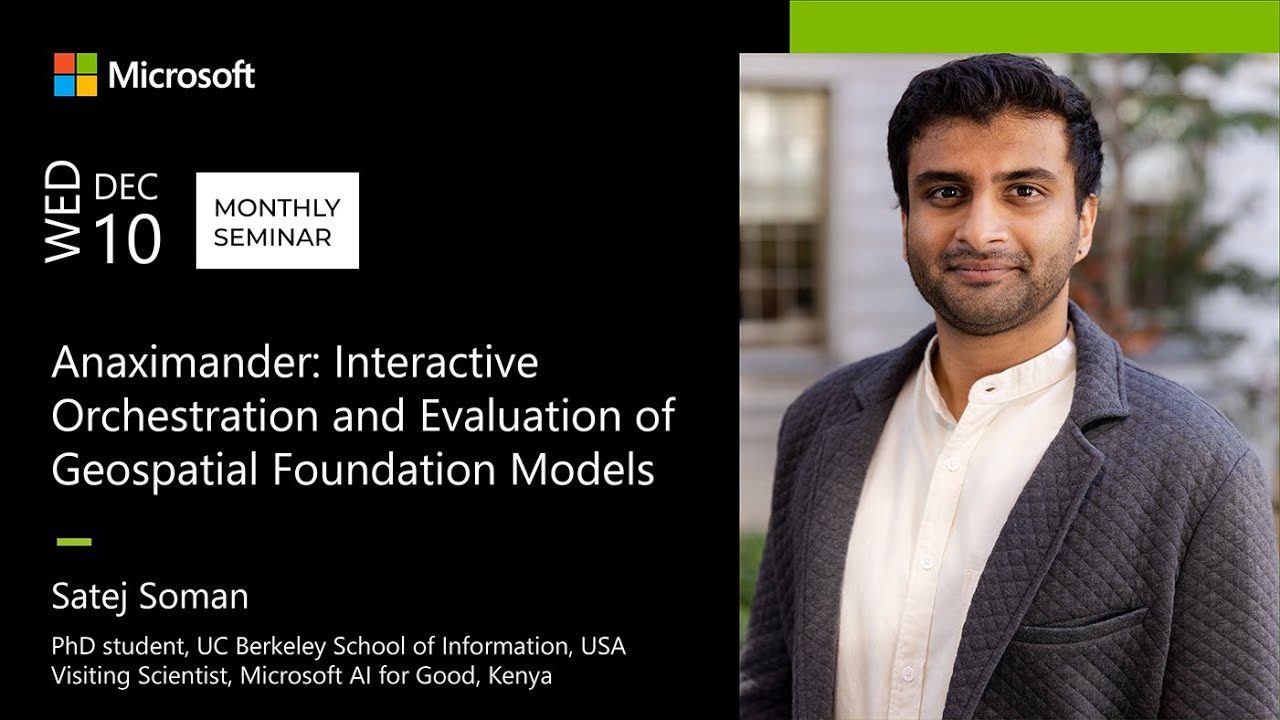
Anaximander: Interactive Orchestration and Evaluation of Geospatial Foundation Models

This talk introduces Anaximander, a system designed to bridge the gap between traditional, GUI-driven Geographic Information System (GIS) workflows and modern, code-heavy machine learning practices. Anaximander integrates geospatial foundation models directly into QGIS, allowing experts to interactively orchestrate, run, and evaluate models for tasks like semantic segmentation and object detection on satellite imagery.

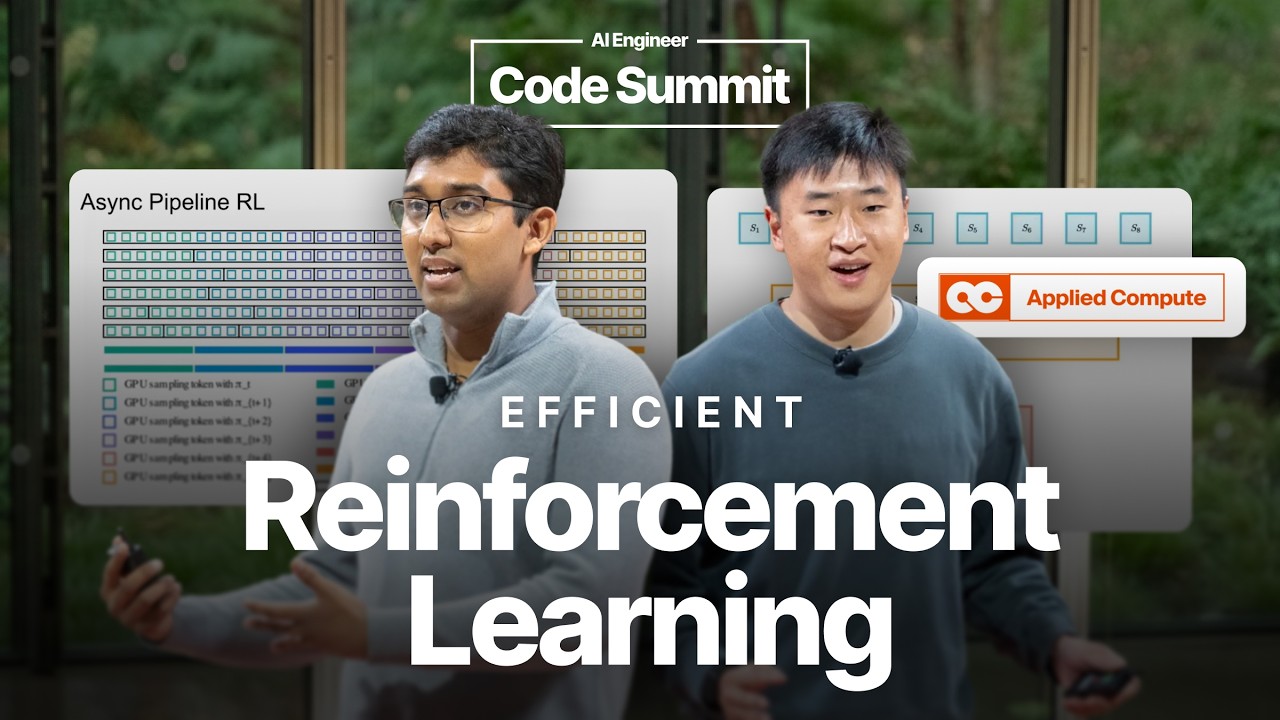
Efficient Reinforcement Learning – Rhythm Garg & Linden Li, Applied Compute

Efficient Reinforcement Learning – Rhythm Garg & Linden Li, Applied Compute

At Applied Compute, efficient Reinforcement Learning is critical for delivering business value. This talk explores the transition from inefficient synchronous RL to a high-throughput asynchronous 'Pipeline RL' system. The core challenge is managing 'staleness'—a side effect of in-flight weight updates that can destabilize training. The speakers detail their first-principles systems model, based on the Roofline model, used to simulate and find the optimal allocation of GPU resources between sampling and training, balancing throughput with algorithmic stability and achieving significant speedups.

Artificial Intelligence

View All
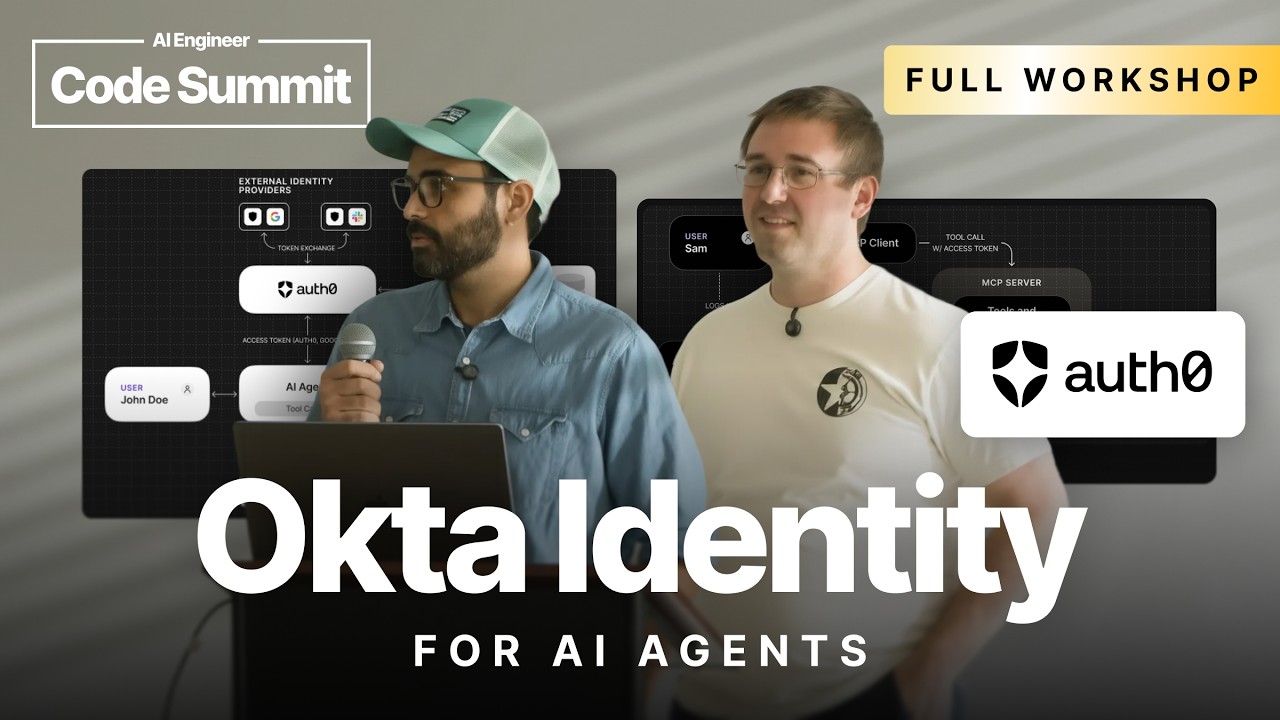
Identity for AI Agents - Patrick Riley & Carlos Galan, Auth0

Identity for AI Agents - Patrick Riley & Carlos Galan, Auth0

This session from Okta and Auth0 introduces a comprehensive framework for securing AI agents, covering identity establishment, delegated API access via Token Vault, user consent for risky operations using Asynchronous Authorization (CIBA), and integration with MCP servers.

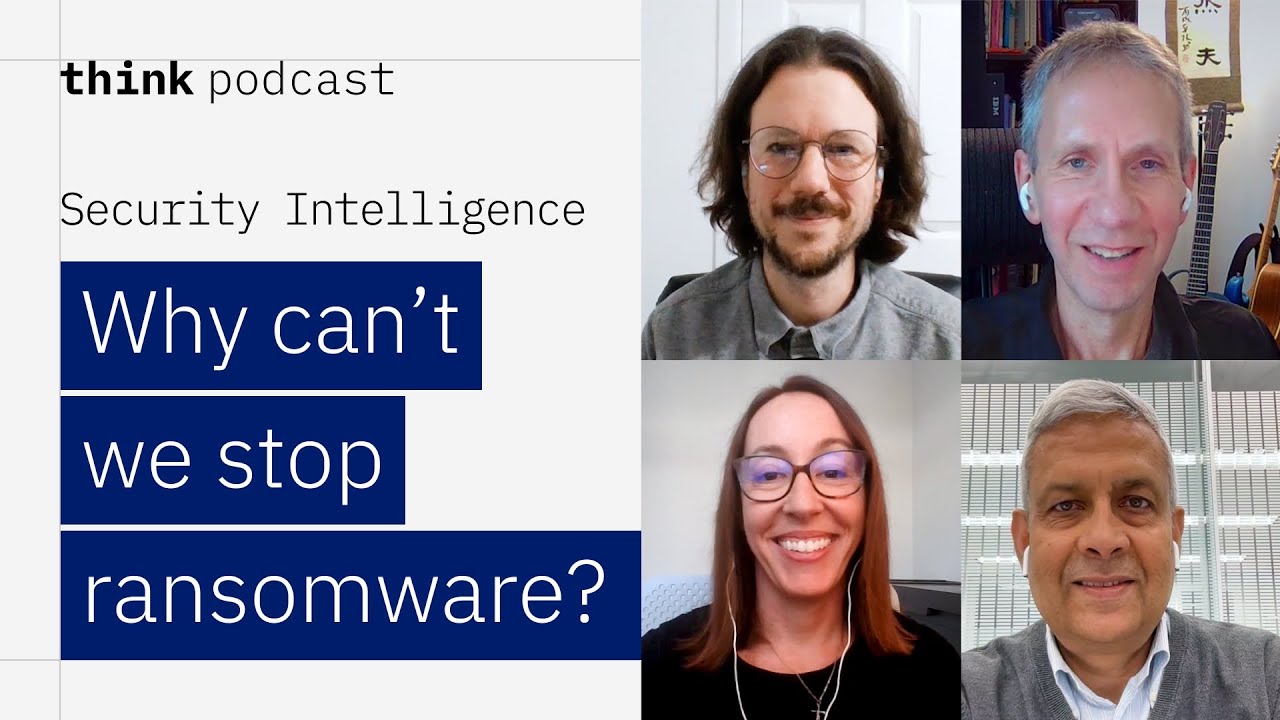
Ransomware whack-a-mole, AI agents as insider threats and how to hack a humanoid robot

Ransomware whack-a-mole, AI agents as insider threats and how to hack a humanoid robot

A discussion on the evolving cybersecurity landscape, covering the persistent threat of ransomware gangs adapting with AI, the critical failures in identity security highlighted by the Zestix case, the emergence of AI agents as a new class of insider threats, and the physical-world risks demonstrated by hacking humanoid robots.

Moonshot Podcast Deep Dive: Emily Ma on Solving Food Waste

Moonshot Podcast Deep Dive: Emily Ma on Solving Food Waste

In a discussion with Astro Teller, Emily Ma from X (formerly Google X) delves into the multifaceted problem of food waste and the moonshot projects developed to tackle it. They explore Project Delta, an initiative that created an "air traffic control" system for surplus food, and Project Chorus, a broader supply chain moonshot designed to give every object a voice through advanced sensors and software.

Technology

View All
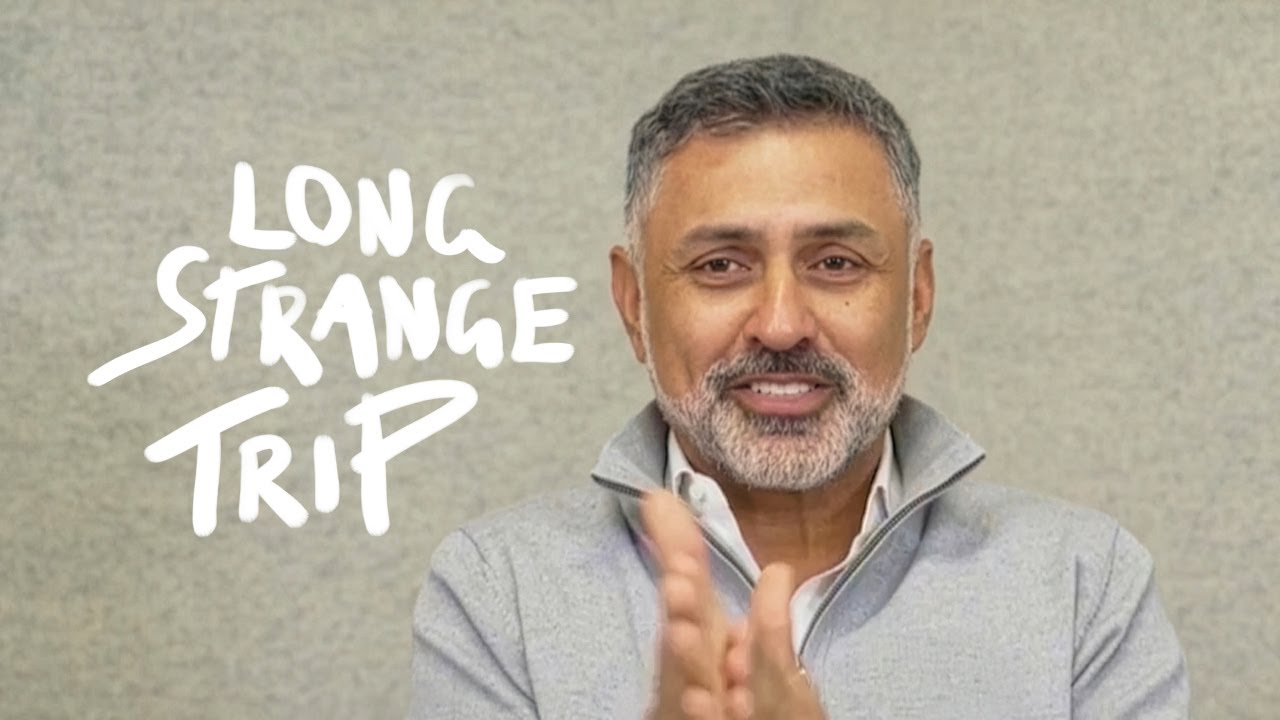
Palo Alto Networks CEO Nikesh Arora on the Virtues of Being an Outsider

Palo Alto Networks CEO Nikesh Arora on the Virtues of Being an Outsider

Nikesh Arora, CEO of Palo Alto Networks, shares his unconventional journey and leadership philosophy. He provides a masterclass in building a multi-platform company through strategic M&A, explains why founders should sometimes ignore customers, and reveals how to lead with conviction while managing imposter syndrome.

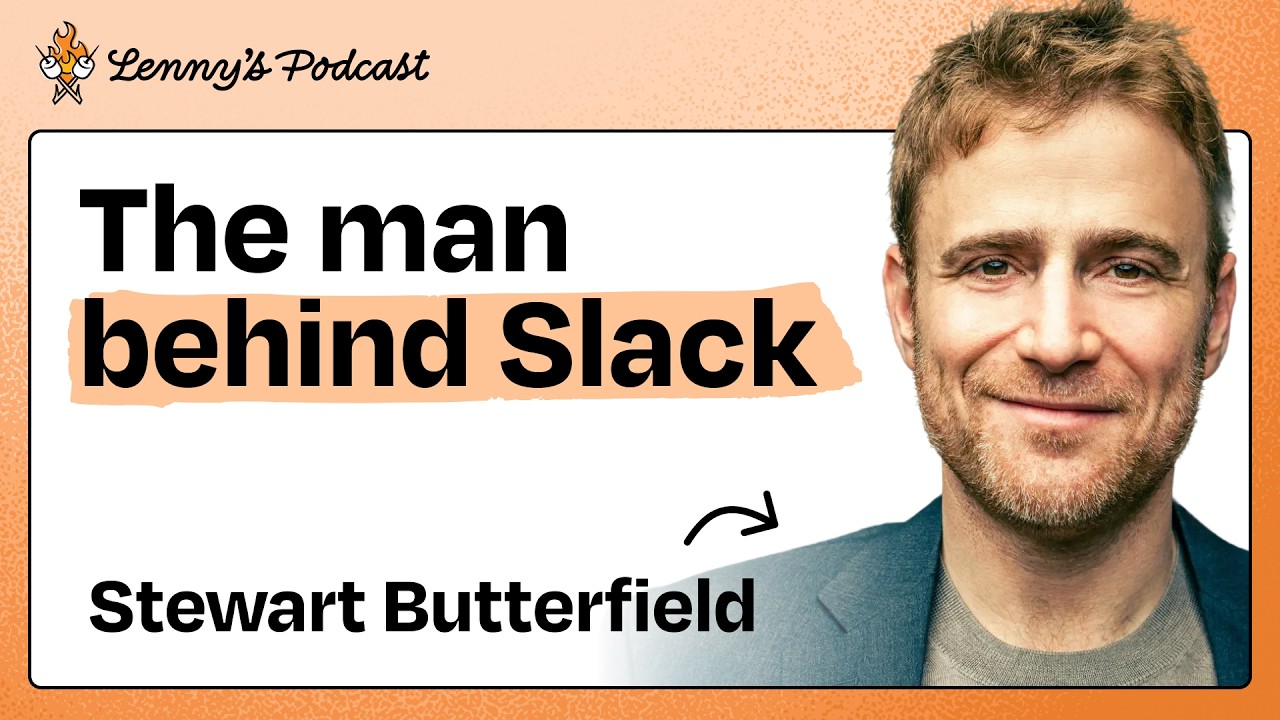
Mental models for building products people love ft. Stewart Butterfield

Mental models for building products people love ft. Stewart Butterfield

Stewart Butterfield, co-founder of Slack and Flickr, shares the product frameworks and leadership principles that guided his success. He delves into concepts like "utility curves" for feature investment, the "owner's delusion" in product design, and why focusing on "comprehension" is often more important than reducing friction. He also introduces powerful mental models for organizational effectiveness, such as combating "hyper-realistic work-like activities" and applying Parkinson's Law to team growth.

Intuit CEO Sasan Goodarzi’s Grown-Up CEO Playbook

Intuit CEO Sasan Goodarzi’s Grown-Up CEO Playbook

Intuit CEO Sasan Goodarzi discusses the operational playbook for reinventing a 40-year-old company, from its slow transition to SaaS to its early adoption of AI. He shares insights on winning the SMB market by treating small businesses like consumers, building effective channel partnerships, and developing a platform strategy. Goodarzi also details his leadership philosophy, emphasizing that grit and curiosity are more critical than raw talent.


Recent Post

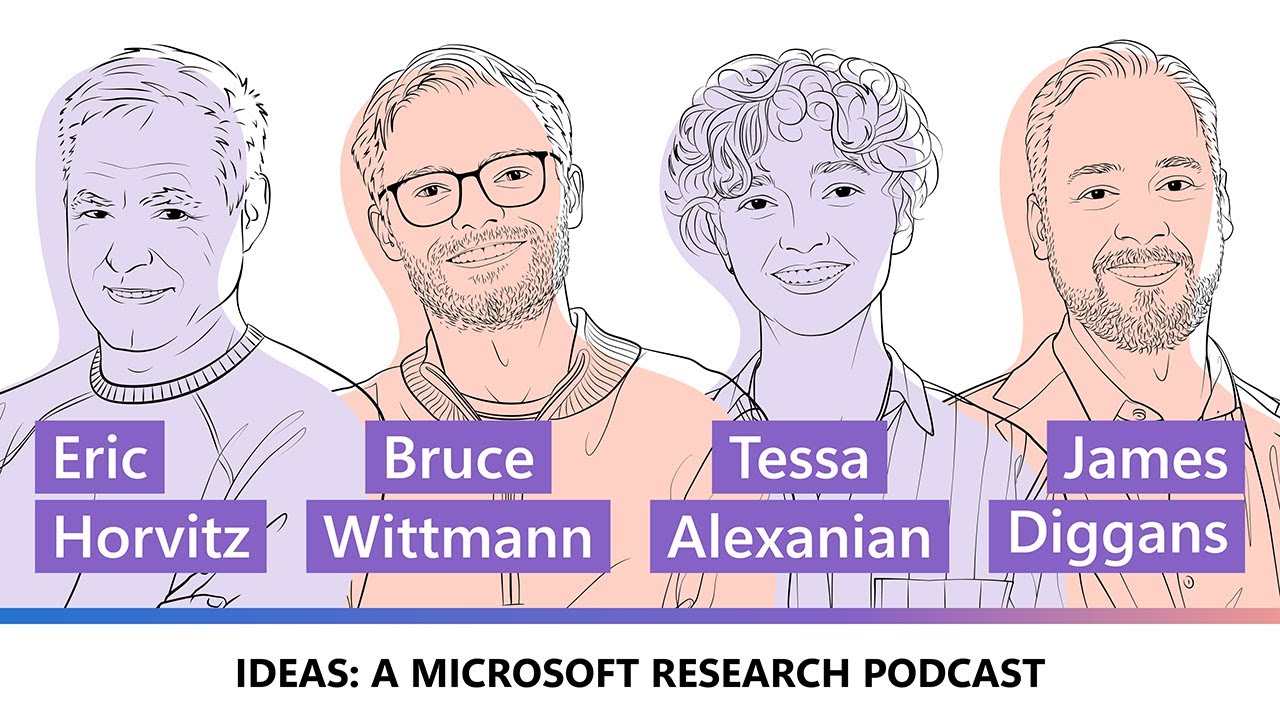
Ideas: More AI-resilient biosecurity with the Paraphrase Project

Ideas: More AI-resilient biosecurity with the Paraphrase Project

Microsoft’s Eric Horvitz and guests discuss the Paraphrase Project, a two-year red-teaming effort that uncovered and patched a significant biosecurity vulnerability, demonstrating a model for responsibly managing the dual-use risks of generative AI in protein design.

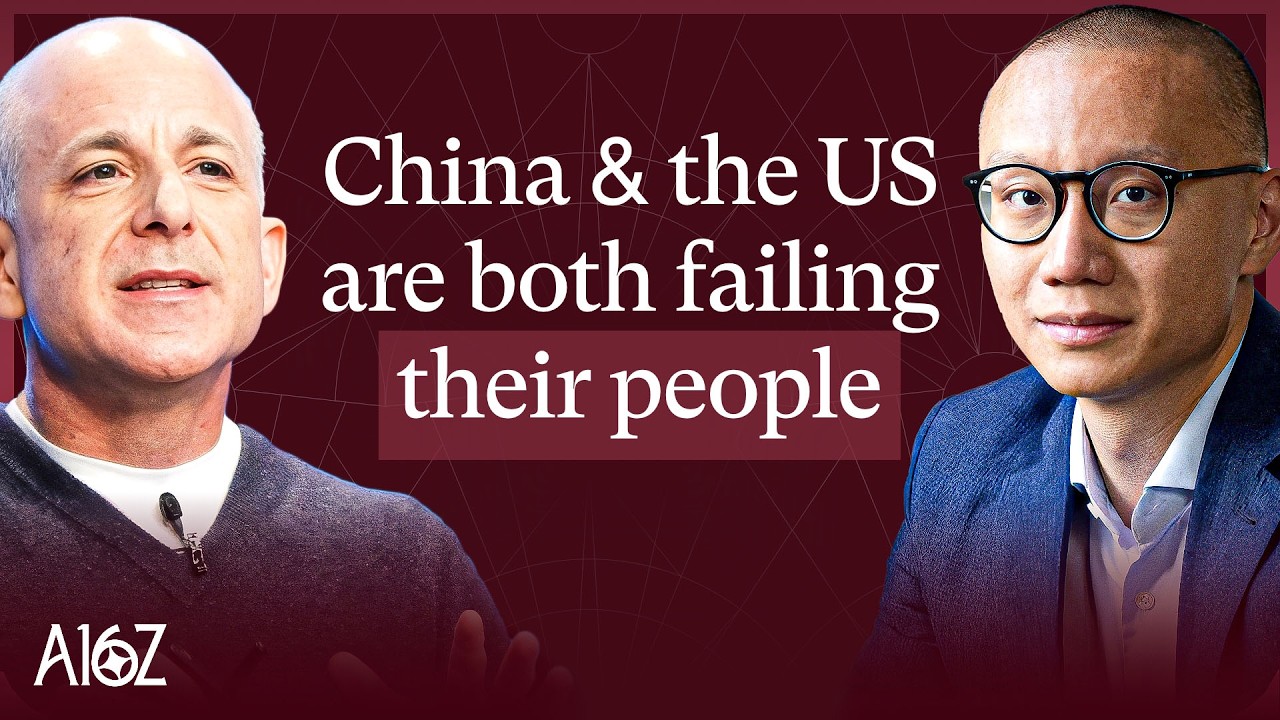
The Lawyerly Society vs. The Engineering State: Who Owns the Future?

The Lawyerly Society vs. The Engineering State: Who Owns the Future?

A summary of the discussion with Dan Wang, author of "Breakneck", comparing the US and China through the lens of engineering versus legal mindsets. The conversation explores differences in infrastructure, industrial policy, manufacturing scale, and foreign policy, arguing for a nuanced view of a long-term competition rather than a short-term race.

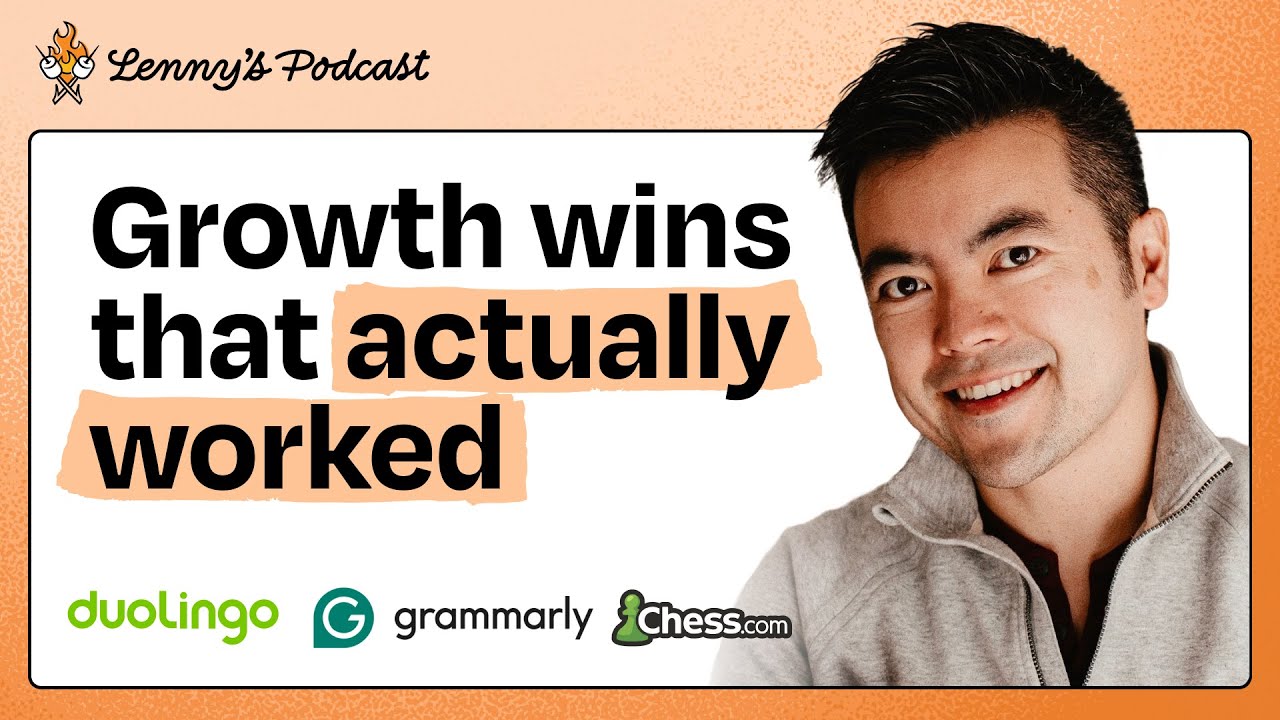
Finding hidden growth opportunities in your product | Albert Cheng (Duolingo, Grammarly, Chess.com)

Finding hidden growth opportunities in your product | Albert Cheng (Duolingo, Grammarly, Chess.com)

Albert Cheng, who has led growth at Duolingo, Grammarly, and Chess.com, shares his framework for finding and scaling growth opportunities. He discusses the explore-exploit model, the keys to consumer subscription success like retention and resurrected users, and how AI is accelerating the experimentation cycle.

Some thoughts on the Sutton interview

Some thoughts on the Sutton interview

A reflection on Richard Sutton's "Bitter Lesson," arguing that while his critique of LLMs' inefficiency and lack of continual learning is valid, imitation learning is a complementary and necessary precursor to true reinforcement learning, much like fossil fuels were to renewable energy.

Ex-DeepMind: How To Actually Protect Your Data From AI

Ex-DeepMind: How To Actually Protect Your Data From AI

Dr. Ilia Shumailov, former DeepMind AI Security Researcher, explains why traditional security fails for AI agents. He details the unique threat model of agents, the dangers of supply chain attacks and architectural backdoors, and proposes a system-level solution called CAML to enforce security policies by design, separating model reasoning from data execution.

Human Neurons are 1M x Energy Efficient than Digital AI Processors | Dr. Ewelina Kurtys | FinalSpark

Human Neurons are 1M x Energy Efficient than Digital AI Processors | Dr. Ewelina Kurtys | FinalSpark

Dr. Ewelina Kurtys of FinalSpark explains their pioneering work in building biocomputers from living human neurons, which are up to one million times more energy-efficient than traditional silicon chips. The conversation covers the technology of reprogramming skin cells into neurons, the company's growth strategy, and the profound ethical and philosophical questions, such as potential 'Matrix' scenarios, that arise from merging biology with AI.

Stay In The Loop! Subscribe to Our Newsletter.

Get updates straight to your inbox. No spam, just useful content.